In case you still think DDT is evil, read this repost from Junkscience.com in 1999.
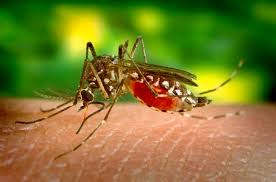
Bring back DDT to save Africa, India, etc. from Malaria, etc. Resistance claims are overblown. Repellancy is under emphasized. Health and Environmental dangers are demagogued, and long ago were proven untrue as reported below.
Also see my previous post “Bring back DDT – Save Africa and other impoverished areas.” containing more facts from a 2004 J. Gordon Edwards review article.
100 Things You Should Know About DDT
by J. Gordon Edwards and Steven Milloy July 26, 1999, JunkScience.com Recommended Reading by the New York Times
- Historical Background
- Advocacy against DDT
- EPA hearings
- Human exposure
- Cancer
- Egg shell thinning
- Bald eagles
- Peregrine falcons
- Brown pelicans
- Bird populations increase during DDT years
- Erroneous detection
1. HISTORICAL BACKGROUND. Discovered by accident, DDT became one of the greatest public health tools of the 20th century. Overuse harmed its efficacy — and made it politically unpopular.
- Dichloro-diphenyl-trichloroethane (DDT) was first synthesized, for no purpose, in 1874 by German chemist Othmar Zeidler. In 1939, Dr. Paul Müller independently produced DDT. Müller found that DDT quickly killed flies, aphids, mosquitoes, walking sticks and Colorado potato beetles. Müller and the Geigy corporation patented DDT in Switzerland (1940), England (1942) and U.S. (1943).
- The first large-scale use of DDT occurred in 1943 when 500 gallons of DDT were produced by Merck & Company and delivered to Italy to help squelch a rapidly spreading epidemic of louse-borne typhus. Later in 1943, the U.S. Army issued small tin boxes of 10 percent DDT dust to its soldiers around the world who used it to kill body lice, head lice and crab lice.
- Müller won the Nobel Prize in 1948 for his work on DDT.
- Peak usage occurred in 1962, when 80 million kilograms of DDT were used and 82 million kilograms produced.
- “In May 1955 the Eighth World Health Assembly adopted a Global Malaria Eradication Campaign based on the widespread use of DDT against mosquitos and of antimalarial drugs to treat malaria and to eliminate the parasite in humans. As a result of the Campaign, malaria was eradicated by 1967 from all developed countries where the disease was endemic and large areas of tropical Asia and Latin America were freed from the risk of infection. The Malaria Eradication Campaign was only launched in three countries of tropical Africa since it was not considered feasible in the others. Despite these achievements, improvements in the malaria situation could not be maintained indefinitely by time-limited, highly prescriptive and centralized programmes.” [Bull World Health Organ 1998;76(1):11-6]
- “To only a few chemicals does man owe as great a debt as to DDT… In little more than two decades, DDT has prevented 500 million human deaths, due to malaria, that otherwise would have been inevitable.” [National Academy of Sciences, Committee on Research in the Life Sciences of the Committee on Science and Public Policy. 1970. The Life Sciences; Recent Progress and Application to Human Affairs; The World of Biological Research; Requirements for the Future.]
- It is believed that [malaria] afflicts between 300 and 500 million every year, causing up to 2.7 million deaths, mainly among children under five years. [Africa News, January 27, 1999]
- Some mosquitoes became “resistant” to DDT. “There is persuasive evidence that antimalarial operations did not produce mosquito resistance to DDT. That crime, and in a very real sense it was a crime, can be laid to the intemperate and inappropriate use of DDT by farmers, espeially cotton growers. They used the insecticide at levels that would accelerate, if not actually induce, the selection of a resistant population of mosquitoes.” [Desowitz, RS. 1992. Malaria Capers, W.W. Norton & Company]
- “Resistance” may be a misleading term when discussing DDT and mosquitoes. While some mosquitoes develop biochemical/physiological mechanisms of resistance to the chemical, DDT also can provoke strong avoidance behavior in some mosquitoes so they spend less time in areas where DDT has been applied — this still reduces mosquito-human contact. “This avoidance behavior, exhibited when malaria vectors avoid insecticides by not entering or by rapidly exiting sprayed houses, should raise serious questions about the overall value of current physiological and biochemical resistance tests. The continued efficacy of DDT in Africa, India, Brazil, and Mexico, where 69% of all reported cases of malaria occur and where vectors are physiologically resistant to DDT (excluding Brazil), serves as one indicator that repellency is very important in preventing indoor transmission of malaria.” [See, e.g.,J Am Mosq Control Assoc 1998 Dec;14(4):410-20; and Am J Trop Med Hyg 1994;50(6 Suppl):21-34].
- ADVOCACY AGAINST DDT. DDT was demagogued out of use.
10.Rachel Carson sounded the initial alarm against DDT, but represented the science of DDT erroneously in her 1962 book Silent Spring. Carson wrote “Dr. DeWitt’s now classic experiments [on quail and pheasants] have now established the fact that exposure to DDT, even when doing no observable harm to the birds, may seriously affect reproduction. Quail into whose diet DDT was introduced throughout the breeding season survived and even produced normal numbers of fertile eggs. But few of the eggs hatched.” DeWitt’s 1956 article (in Journal of Agriculture and Food Chemistry) actually yielded a very different conclusion. Quail were fed 200 parts per million of DDT in all of their food throughout the breeding season. DeWitt reports that 80% of their eggs hatched, compared with the “control”” birds which hatched 83.9% of their eggs. Carson also omitted mention of DeWitt’s report that “control” pheasants hatched only 57 percent of their eggs, while those that were fed high levels of DDT in all of their food for an entire year hatched more than 80% of their eggs.
- Population control advocates blamed DDT for increasing third world population. In the 1960s, World Health Organization authorities believed there was no alternative to the overpopulation problem but to assure than up to 40 percent of the children in poor nations would die of malaria. As an official of the Agency for International Development stated, “Rather dead than alive and riotously reproducing.” [Desowitz, RS. 1992. Malaria Capers, W.W. Norton & Company]
- The environmental movement used DDT as a means to increase their power. Charles Wurster, chief scientist for the Environmental Defense Fund, commented, “If the environmentalists win on DDT, they will achieve a level of authority they have never had before.. In a sense, much more is at stake than DDT.”[Seattle Times, October 5, 1969]
- Science journals were biased against DDT. Philip Abelson, editor of Science informed Dr. Thomas Jukes that Science would never publish any article on DDT that was not antagonistic.
- William Ruckelshaus, the administrator of the U.S. Environmental Protection Agency who made the ultimate decision to ban DDT in 1972, was a member of the Environmental Defense Fund. Ruckelshaus solicited donations for EDF on his personal stationery that read “EDF’s scientists blew the whistle on DDT by showing it to be a cancer hazard, and three years later, when the dust had cleared, EDF had won.”
- But as an assistant attorney general, William Ruckelshaus stated on August 31, 1970 in a U.S. Court of Appeals that “DDT has an amazing an exemplary record of safe use, does not cause a toxic response in man or other animals, and is not harmful. Carcinogenic claims regarding DDT are unproven speculation.” But in a May 2, 1971 address to the Audubon Society, Ruckelshaus stated, “As a member of the Society, myself, I was highly suspicious of this compound, to put it mildly. But I was compelled by the facts to temper my emotions … because the best scientific evidence available did not warrant such a precipitate action. However, we in the EPA have streamlined our administrative procedures so we can now suspend registration of DDT and the other persistent pesticides at any time during the period of review.” Ruckelshaus later explained his ambivalence by stating that as assistant attorney general he was an advocate for the government, but as head of the EPA he was “a maker of policy.” [Barron’s, 10 November 1975]
- Environmental activists planned to defame scientists who defended DDT. In an uncontradicted deposition in a federal lawsuit, Victor Yannacone, a founder of the Environmental Defense Fund, testified that he attended a meeting in which Roland Clement of the Audubon Society and officials of the Environmental Defense Fund decided that University of California-Berkeley professor and DDT-supporter Thomas H. Jukes was to be muzzled by attacking his credibility. [21st Century, Spring 1992]
III. EPA HEARINGS. DDT was banned by an EPA administrator who ignored the decision of his own administrative law judge.
- Extensive hearings on DDT before an EPA administrative law judge occurred during 1971-1972. The EPA hearing examiner, Judge Edmund Sweeney, concluded that “DDT is not a carcinogenic hazard to man… DDT is not a mutagenic or teratogenic hazard to man… The use of DDT under the regulations involved here do not have a deleterious effect on freshwater fish, estuarine organisms, wild birds or other wildlife.” [Sweeney, EM. 1972. EPA Hearing Examiner’s recommendations and findings concerning DDT hearings, April 25, 1972 (40 CFR 164.32, 113 pages). Summarized in Barrons (May 1, 1972) and Oregonian (April 26, 1972)]
- Overruling the EPA hearing examiner, EPA administrator Ruckelshaus banned DDT in 1972. Ruckelshaus never attended a single hour of the seven months of EPA hearings on DDT. Ruckelshaus’ aides reported he did not even read the transcript of the EPA hearings on DDT. [Santa Ana Register, April 25, 1972]
- After reversing the EPA hearing examiner’s decision, Ruckelshaus refused to release materials upon which his ban was based. Ruckelshaus rebuffed USDA efforts to obtain those materials through the Freedom of Information Act, claiming that they were just “internal memos.” Scientists were therefore prevented from refuting the false allegations in the Ruckelshaus’ “Opinion and Order on DDT.”
- HUMAN EXPOSURE. Actual human exposures have always been far lower than the “acceptable” level.
- Human ingestion of DDT was estimated to average about 0.0026 milligrams per kilogram of body weight per day (mg/kg/day) about 0.18 milligrams per day. [Hayes, W. 1956. J Amer Medical Assn, Oct. 1956]
- In 1967, the daily average intake of DDT by 20 men with high occupational exposure was estimated to be 17.5 to 18 mg/man per day, as compared with an average of 0.04 mg/man per day for the general population. [IARC V.5, 1974].
- Dr. Alice Ottoboni, toxicologist for the state of California, estimated that the average American ingests between 0.0006 mg/kg/day and 0.0001 mg/kg/day of DDT. [Ottoboni, A. et al. California’s Health, August 1969 & May 1972]
- “In the United States, the average amount of DDT and DDE eaten daily in food in 1981 was 2.24 micrograms per day (ug/day) (0.000032 mg/kg/day), with root and leafy vegetables containing the highest amount. Meat, fish, and poultry also contain very low levels of these compounds.” [Agency for Toxic Substances and Disease Registry. 1989.Public Health Statement: DDT, DDE, and DDD]
- The World Health Organization set an acceptable daily intake of DDT for humans at 0.01 mg/kg/day.
- “Air samples in the United States have shown levels of DDT ranging from 0.00001 to 1.56 micrograms per cubic meter of air (ug/m3), depending on the location and year of sampling. Most reported samples were collected in the mid 1970s, and present levels are expected to be much lower. DDT and DDE have been reported in surface waters at levels of 0.001 micrograms per liter (ug/L), while DDD generally is not found in surface water. National soil testing programs in the early 1970s have reported levels in soil ranging from 0.18 to 5.86 parts per million (ppm).” [Agency for Toxic Substances and Disease Registry. 1989.Public Health Statement: DDT, DDE, and DDD]
- CANCER. DDT was alleged to be a liver carcinogen in Silent Spring and a breast carcinogen in Our Stolen Future.
- Feeding primates more than 33,000 times the average daily human exposure to DDT (as estimated in 1969 and 1972) was “inconclusive with respect to a carcinogenic effect of DDT in nonhuman primates.” [J Cancer Res Clin Oncol 1999;125(3-4):219-25]
- A nested case-control study was conducted to examine the association between serum concentrations of DDE and PCBs and the development of breast cancer up to 20 years later. Cases (n = 346) and controls (n = 346) were selected from cohorts of women who donated blood in 1974, 1989, or both, and were matched on age, race, menopausal status, and month and year of blood donation. “Even after 20 years of follow-up, exposure to relatively high concentrations of DDE or PCBs showed no evidence of contributing to an increased risk of breast cancer.” [Cancer Epidemiol Biomarkers Prev 1999 Jun;8(6):525-32]
- To prospectively evaluate relationships of organochlorine pesticides and PCBs with breast cancer, a case-control study nested in a cohort using the Columbia, Missouri Breast Cancer Serum Bank. Women donated blood in 1977- 87, and during up to 9.5 years follow-up, 105 donors who met the inclusion criteria for the current study were diagnosed with breast cancer. For each case, two controls matched on age and date of blood collection were selected. Five DDT analogs, 13 other organochlorine pesticides, and 27 PCBs were measured in serum. Results of this study do not support a role for organochlorine pesticides and PCBs in breast cancer etiology. [Cancer Causes Control 1999 Feb;10(1):1-11]
- A pooled analysis examined whether exposure to DDT was associated with the risk of non-Hodgkin’s lymphoma among male farmers. Data from three case-control studies from four midwestern states in the United States (Nebraska, Iowa, Minnesota, Kansas) were pooled to carry out analyses of 993 cases and 2918 controls. No strong consistent evidence was found for an association between exposure to DDT and risk of non-Hodgkin’s lymphoma. [Occup Environ Med 1998 Aug;55(8):522-7]
- “We measured plasma levels of DDE and PCBs prospectively among 240 women who gave a blood sample in 1989 or 1990 and who were subsequently given a diagnosis of breast cancer before June 1, 1992. We compared these levels with those measured in matched control women in whom breast cancer did not develop. Data on DDE were available for 236 pairs, and data on PCBs were available for 230 pairs. Our data do not support the hypothesis that exposure to [DDT] and PCBs increases the risk of breast cancer.” [N Engl J Med 1997;337:1253-8]
- “… weakly estrogenic organochlorine compounds such as PCBs, DDT, and DDE are not a cause of breast cancer.” [http://www.nejm.org/content/1997/0337/0018/1303.asp]
- To examine any possible links between exposure to DDE, the persistent metabolite of the pesticide dicophane (DDT), and breast cancer, 265 postmenopausal women with breast cancer and 341 controls matched for age and center were studied. Women with breast cancer had adipose DDE concentrations 9.2% lower than control women. No increased risk of breast cancer was found at higher concentrations. The odds ratio of breast cancer, adjusted for age and center, for the highest versus the lowest fourth of DDE distribution was 0.73 (95% confidence interval 0.44 to 1.21) and decreased to 0.48 (0.25 to 0.95; P for trend = 0.02) after adjustment for body mass index, age at first birth, and current alcohol drinking. Adjustment for other risk factors did not materially affect these estimates. This study does not support the hypothesis that DDE increases risk of breast cancer in postmenopausal women in Europe. [BMJ 1997 Jul 12;315(7100):81-5]
- No correlation at the population level can be demonstrated between exposures to DDT and the incidence of cancer at any site. It is concluded that DDT has had no significant impact on human cancer patterns and is unlikely to be an important carcinogen for man at previous exposure levels, within the statistical limitations of the data. [IARC Sci Publ 1985;(65):107-17]
- Syrian golden hamsters were fed for their lifespan a diet containing 0, 125, 250 and 500 parts per million (ppm) of DDT. The incidence of tumor bearing animals was 13% among control females and ranged between 11-20% in treated females. In control males 8% had tumors. The incidence of tumor bearing animals among treated males ranged between 17-28%. [Tumori 1982 Feb 28;68(1):5-10]
- None of 35 workers heavily exposed to DDT (600 times the average U.S. exposure for 9 to 19 years) developed cancer. [Laws, ER. 1967. Arch Env Health 15:766-775]
- Men who voluntarily ingested 35 mgs of DDT daily for nearly two years were carefully examined for years and “developed no adverse effects.” [Hayes, W. 1956. JAMA 162:890-897]
- DDT was found to reduce tumors in animals. [Laws, ER. 1971. Arch. Env Health, 23:181-184; McLean, AEM & EK McLean. 1967. Proc Nutr Soc 26;Okey, AB. 1972. Life Sciences 11:833-843;Sillinskas, KC & AB Okey. 1975. J Natl Cancer Inst 55:653- 657, 1975]
- Rodent tests for a carcinogenic effect of DDT, DDE and TDE produced equivocal results despite extremely high doses (642 ppm of DDT, 3,295 ppm of TDE and 839 ppm of DDE). [National Toxicology Program, TR-131 Bioassays of DDT, TDE, and p,p’-DDE for Possible Carcinogenicity (CAS No. 50-29-3, CAS No. 72-54-8, CAS No. 72-55-9)]
- EGG-SHELL THINNING. DDT was alleged to have thinned bird egg shells.
- Many experiments on caged-birds demonstrate that DDT and its metabolites (DDD and DDE) do not cause serious egg shell thinning, even at levels many hundreds of times greater than wild birds would ever accumulate. [Cecil, HC et al. 1971. Poultry Science 50: 656-659 (No effects of DDT or DDE, if adequate calcium is in diet); Chang, ES & ELR Stokstad. 1975. Poultry Science 54: 3-10 1975. (No effects of DDT on shells); Edwards, JG. 1971. Chem Eng News p. 6 & 59 (August 16, 1971) (Summary of egg shell- thinning and refutations presented revealing all data); Hazeltine, WE. 1974. Statement and affidavit, EPA Hearings on Tussock Moth Control, Portland Oregon, p. 9 (January 14, 1974); Jeffries, DJ. 1969. J Wildlife Management 32: 441-456 (Shells 7 percent thicker after two years on DDT diet); Robson, WA et al. 1976. Poultry Science 55:2222- 2227; Scott, ML et al. 1975. Poultry Science 54: 350-368 (Egg production, hatchability and shell quality depend on calcium, and are not effected by DDT and its metabolites); Spears, G & P. Waibel. 1972. Minn. Science 28(3):4-5; Tucker, RK & HA Haegele. 1970. Bull Environ Contam. Toxicol 5:191-194 (Neither egg weight nor shell thickness affected by 300 parts per million DDT in daily diet);Edwards, JG. 1973. Statement and affidavit, U.S. Senate Committee on Agriculture, 24 pages, October 24, 1973; Poult Sci 1979 Nov;58(6):1432-49 (“There was no correlation between concentrations of pesticides and egg shell thinning.”)]
- Experiments associating DDT with egg shell thinning involve doses much higher than would ever be encountered in the wild. [J Toxicol Environ Health 1977 Nov;3(4):699-704 (50 ppm for 6 months); Arch Environ Contam Toxicol 1978;7(3):359-67 (“acute” doses); Acta Pharmacol Toxicol (Copenh) 1982 Feb;50(2):121-9 (40 mg/kg/day for 45 days); Fed Proc 1977 May;36(6):1888-93 (“In well-controlled experiments using white leghorn chickens and Japanese quail, dietary PCBs, DDT and related compounds produced no detrimental effects on eggshell quality. … no detrimental effects on eggshell quality, egg production or hatchability were found with … DDT up to 100 ppm)]
- Laboratory egg shell thinning required massive doses of DDE far in excess of anything expected in nature, and massive laboratory doses produce much less thinning than is seen in many of the thin-shelled eggs collected in the wild. [Hazeltine, WE. 1974. Statement and affidavit, EPA Hearings on Tussock Moth Control, Portland Oregon, p. 9 (January 14, 1974)]
- Years of carefully controlled feeding experiments involving levels of DDT as high as present in most wild birds resulted in no tremors, mortality, thinning of egg shells nor reproductive interference. [Scott, ML et al. 1975. Poultry Science 54: 350-368 (Egg production, hatch ability and shell quality depend on calcium, and are not effected by DDT and its metabolites)]
- Egg shell thinning is not correlated with pesticide residues. [Krantz WC. 1970 (No correlation between shell-thinning and pesticide residues in eggs) Pesticide Monitoring J 4(3): 136-141; Postupalsky, S. 1971. Canadian Wildlife Service manuscript, April 8, 1971 (No correlation between shell-thinning and DDE in eggs of bald eagles and cormorants); Anon. 1970. Oregon State University Health Sciences Conference, Annual report, p. 94. (Lowest DDT residues associated with thinnest shells in Cooper’s hawk, sharp-shinned hawk and goshawk); Claus G and K Bolander. 1977. Ecological Sanity, David McKay Co., N.Y., p. 461. (Feeding thyreprotein causes hens to lay lighter eggs, with heavier, thicker shells)]<
- Among brown pelican egg shells examined there was no correlation between DDT residue and shell thickness. [Switzer, B. 1972. Consolidated EPA hearings, Transcript pp. 8212-8336; and Hazeltine, WE. 1972. Why pelican eggshells are thin. Nature 239: 410-412]
- Egg shells of red-tailed hawks were reported to be six percent thicker during years of heavy DDT usage than just before DDT use began. Golden eagle egg shells were 5 percent thicker than those produced before DDT use. [Hickey, JJ and DW Anderson. 1968. Science 162: 271-273]
- To the extent egg shell thinning occurred, many other substances and conditions could have been responsible.
- Oil has been associated with egg shell thinning. [Anon. National Wildlife Federation, Conservation News, pp. 6-10, October 15 1979. (Embryonic mortality from oil on feathers of adults birds) ; Hartung, R. 1965. J Wildlife Management 29:872-874 (Oil on eggs reduces hatch ability by 68 percent); Libby, EE. 1978. Fish, wildlife and oil. Ecolibrium 2(4):7-10; King, KA et al. 1979 Bull Environ Contam Tox 23:800-805 (Oil a probably cause of pelican mortality for six weeks after spill);Albers, PH. 1977. Fate and Effects of Petroleum Hydrocarbons in Marine Ecosystems, Pergamon Press, N.Y. (Chapters 15 & 16; Dieter, MP. 1977. Interagency Energy-Environment Research and Development Program Report, pp. 35-42 (5 microliters of oil on fertile egg kills 76 to 98 percent of embryos within; birds ingesting oil produce 70 percent to 100 percent less eggs than normal; offspring failed to develop normal flight feathers); Szaro, RC. 1977. Proc 42nd N Amer Wildlife Nat Resources Conference, pp. 375-376]
- Lead has been associated with egg shell thinning. [Bellrose, RC. 1959. Ill Nat Hist Survey Bull 27:235-288 (Lead poisoning in wildlife)]
- Mercury has been associated with egg shell thinning. [D’Itri, FM & PB Trost. 1970. International Conference on Mercury Contamination, Ann Arbor, September 30, 1070; Scott, JL et al. 1975. Effects of PCBs, DDT and mercury upon egg production, hatch ability and shell quality. Poultry Sci 54:3350-368; Stoewssand, GS et al.. 1971. Shell- thinning in quail fed mercuric chloride. Science 173:1030-1031; Tucker, RK. 1971. Utah Science June 1971:47-49 (Effects of many chemicals on shell thickness).; Tucker, RK & HA Haegle. 1970. Bull Environ Contamin Toxicol 5:191-194]
- Stress from noise, fear or excitement and disease are associated with egg shell thinning. [Scott, HM et al.. 1944. (Physiological stress thins shells) Poultry Science 23:446-453; Draper, MH & PE Lake. 1967. Effects of stress and defensive responses. In Environmental Control in Poultry Production, Oliver and Boyd, London; Reid, BL. 1971. (Effects of stress on laying birds) Farm Technology, Fall 1971; Sykes, AH. 1955 (Adrenaline excess inhibits shell formation) Poultry Science 34: 622-628]
- Older birds produce thinner shells. [Sunde, ML. 1971 (Older birds produce thinner shells) Farm Technology, Fall 1971]
- Normal egg shells become 5 percent thinner as developing embryos withdraw calcium for bone development. [Romanoff, AL and AJ Romanoff. 1967. Biochemistry of the Avian Embryo, Wiley & Sons, N.Y.; Simkiss, K. 1967. (Shells thinned by embryo development within) In Calcium in Reproductive Physiology, Reinhold, NY, pp 198-213]
- Larger birds tend to produce thicker-shelled eggs. [Asmundson, VS et al. 1943. (Relations between the parts of birds’ eggs) Auk 60:34-44]
- Dehydration is associated with thinner egg shells. [Tucker, RK and HA Haegle. 1970. (30 percent thinner shells formed after quail were kept from water for 36 hours) Bull Environ Contam Toxicol 5(3): 191-194]
- Temperature extremes are associated with thinner egg shells. [Romanoff, AL and AJ Romanoff, 1949. The Avian Egg, Wiley & Sons]
- Decreased illumination is associated with thinner egg shells. [Peakall, DB. 1970. (Shells not thinned even after illumination was abruptly reduced from 16 hours daily to 8 hours daily and high DDT dosage begun simultaneously) Science 168:592-594; Day, EJ. 1971. (Importance of even illumination on laying birds) Farm Technology, Fall 1971;Houser, EJ. 1962. Pacific Poultryman, August 1962; Morris, TR et al. 1964. (The most critical area of light duration is that between 16 hours and 8 hours daily) British Poultry Science 5: 133-147; Ward, P. 1972 (Physiological importance of photo period in bird experiments) Ibis 114: 275]
- Human and predator intrusion is associated with thinner egg shells. [Beatty, RG. 1973. The DDT Myth, John Day Co., N.Y. 201 pages; Anon. 1971. Hawk Chalk 10(3):47-57; Cade, TJ. 1960. Ecology of the peregrine and gyrfalcon populations in Alaska. Univ Calif Publ Zool 63(3): 151-290]
- Simple restraint interferes with the transport of calcium throughout the body of birds, preventing adequate calcium from reaching the shell gland and forming good shells. [Sykes, AH. 1955. Poultry Science 34:622-628]
- Uncovering eggs after parent birds are removed or frightened off exposes eggs to potentially fatal chilling, especially in northern or high altitude locations. [Cade, TJ. 1960. Ecology of the peregrine and gyrfalcon populations in Alaska. Uni Calif Publ Zool 63(3):151-290]
- Phosphorus deficiency is associated with thinner shells. [Crowley, TA et al. 1963. Poultry Science 54: 350-368]
- Calcium deficiency is associated with thinner shells.[Greely, F.. 196 (Effects of calcium deficiency) J Wildlife Management 70:149-153; Romanoff, AL and AJ Romanoff. 1949. The Avian Egg, Wiley & Sons; Scott, ML. 1975. Poultry Science 54:350-368; Taylor, TG. 1970. How and eggshell is formed. Scientific American 222:89-95; Tucker, RK and HA Tucker. 1970. Bull Environ Contamin Toxicol 5(3):1191-194]
- Egg shell deficiencies were attributed to DDT and DDE by U.S. Fish and Wildlife researchers even though the birds had been placed on low-calcium diets. [Bitman, J et al. 1969. Nature 224: 44-46; Bitman, J et al. 1970. Science 594-595.]
- Cutting illumination from 16 hours daily to 8 hours daily at the same time as DDT feeding began had no significant adverse effect on shell quality. Shell quality was only adversely impacted after large amounts of DDE were injected into birds. [Peakall, DB. 1970. Science 168:592-594]
- DDT was blamed for egg shell thinning even though a known egg shell thinner (dieldrin) was also added to the diet. [Porter, RD and SN Wiemeyer. 1969. Science 165: 199-200]
- No significant correlation between DDE and egg shell thinning in Canadian terns even though the eggs contained as much as 100 parts per million of DDE. [Switzer, BG et al. 1971. Can J Zool 49:69-73]
VII. BALD EAGLES. DDT was blamed for the decline in the bald eagle population.
- Bald eagles were reportedly threatened with extinction in 1921 — 25 years before widespread use of DDT. [Van Name, WG. 1921. Ecology 2:76]
- Alaska paid over $100,000 in bounties for 115,000 bald eagles between 1917 and 1942. [Anon. Science News Letter, July 3, 1943]
- The bald eagle had vanished from New England by 1937. [Bent, AC. 1937. Raptorial Birds of America. US National Museum Bull 167:321-349]
- After 15 years of heavy and widespread usage of DDT, Audubon Society ornithologists counted 25 percent more eagles per observer in 1960 than during the pre-DDT 1941 bird census. [Marvin, PH. 1964 Birds on the rise. Bull Entomol Soc Amer 10(3):184-186; Wurster, CF. 1969 Congressional Record S4599, May 5, 1969; Anon. 1942. The 42nd Annual Christmas Bird Census. Audubon Magazine 44:1-75 (Jan/Feb 1942; Cruickshank, AD (Editor). 1961. The 61st Annual Christmas Bird Census. Audubon Field Notes 15(2):84-300; White-Stevens, R.. 1972. Statistical analyses of Audubon Christmas Bird censuses. Letter to New York Times, August 15, 1972]
- No significant correlation between DDE residues and shell thickness was reported in a large series of bald eagle eggs. [Postupalsky, S. 1971. (DDE residues and shell thickness). Canadian Wildlife Service manuscript, April 8, 1971]
- Thickness of eggshells from Florida, Maine and Wisconsin was found to not be correlated with DDT residues.
| Data from Krantz, WC. 1970. Pesticides Monitoring Journal 4(3):136-140. | ||
| State | Thickness (mm) | DDE residue (ppm) |
| Florida | 0.50 | About 10 |
| Maine | 0.53 | About 22 |
| Wisconsin | 0.55 | About 4 |
- U.S. Forest Service studies reported an increase in nesting bald eagle productivity (51 in 1964 to 107 in 1970). [U.S. Forest Service (Milwaukee, WI). 1970. Annual Report on Bald Eagle Status]
- U.S. Fish and Wildlife Service biologists fed large doses of DDT to captive bald eagles for 112 days and concluded that “DDT residues encountered by eagles in the environment would not adversely affect eagles or their eggs.” [Stickel, L. 1966. Bald eagle-pesticide relationships. Trans 31st N Amer Wildlife Conference, pp.190-200]
- Wildlife authorities attributed bald eagle population reductions to a “widespread loss of suitable habitat”, but noted that “illegal shooting continues to be the leading cause of direct mortality in both adult and immature bald eagles.” [Anon.. 1978. U.S. Fish and Wildlife Service, Endangered Species Tech Bull 3:8-9]
- Every bald eagle found dead in the U.S., between 1961-1977 (266 birds) was analyzed by U.S. Fish and Wildlife Service biologists who reported no adverse effects caused by DDT or its residues. [Reichel, WL. 1969. (Pesticide residues in 45 bald eagles found dead in the U.S. 1964-1965). Pesticides Monitoring J 3(3)142-144; Belisle, AA. 1972. (Pesticide residues and PCBs and mercury, in bald eagles found dead in the U.S. 1969-1970). Pesticides Monitoring J 6(3): 133-138; Cromartie, E. 1974. (Organochlorine pesticides and PCBs in 37 bald eagles found dead in the U.S. 1971-1972). Pesticides Monitoring J 9:11-14; Coon, NC. 1970. (Causes of bald eagle mortality in the US 1960-1065). Journal of Wildlife Diseases 6:72-76]
- U.S. Fish and Wildlife Service biologists linked high intake of mercury from contaminated fish with eagle reproductive problems. [Spann, JW, RG Heath, JF Kreitzer, LN Locke. 1972. (Lethal and reproductive effects of mercury on birds) Science 175:328- 331]
- Shooting, power line electrocution, collisions in flight and poisoning from eating ducks containing lead shot were ranked by the National Wildlife Federation as late as 1984 as the leading causes of eagle deaths. [Anon. 1984. National Wildlife Federation publication. (Eagle deaths)]
VIII. PEREGRINE FALCONS. DDT was blamed for the decline in the peregrine falcon population.
- The decline in the U.S. peregrine falcon population occurred long before the DDT years. [Hickey JJ. 1942. (Only 170 pairs of peregrines in eastern U.S. in 1940) Auk 59:176; Hickey JJ. 1971 Testimony at DDT hearings before EPA hearing examiner. (350 pre-DDT peregrines claimed in eastern U.S., with 28 of the females sterile); and Beebe FL. 1971. The Myth of the Vanishing Peregrine Falcon: A study in manipulation of public and official attitudes. Canadian Raptor Society Publication, 31 pages]
- Peregrine falcons were deemed undesirable in the early 20th century. Dr. William Hornaday of the New York Zoological Society referred to them as birds that “deserve death, but are so rare that we need not take them into account.” [Hornaday, WT. 1913. Our Vanishing Wild Life. New York Zoological Society, p. 226]
- Oologists amassed great collections of falcon eggs. [Peterson, RT. 1948. Birds Over American, Dodd Mead & Co., NY, pp 135-151; Rice, JN. 1969. In Peregrine Falcon Populations, Univ. Of Wisconsin Press, pp 155-164; Berger, DD. 1969. In Peregrine Falcon Populations, Univ. Of Wisconsin Press, pp 165-173]
- The decline in falcons along the Hudson River was attributed to falconers, egg collectors, pigeon fanciers and disturbance by construction workers and others. [Herbert, RA and KG Herbert. 1969. In Peregrine Falcon Populations, Univ. Of Wisconsin Press, pp 133- 154. (Also in Auk 82: 62-94)]
- The 1950’s and 1960’s saw continuing harassment trapping brooding birds in their nests, removing fat samples for analysis and operating time-lapse cameras beside the nests for extended periods of time), predation and habitat destruction. [Hazeltine, WE. 1972. Statement before Secretary of State’s Advisory Committee on United Nations Conference on the Human Environment, March 16, 1972; Enderson, JH and DD Berger. 1968. (Chlorinated hydrocarbons in peregrines from Northern Canada). Condor 70:149-153; Enderson, JH.. 1972. (Time lapse photography in peregrine nests) Living Bird 11: 113- 128; Risebrough, RW. 1970. (Organochlorines in peregrines and merlins migrating through Wisconsin). Canadian Field-Naturalist 84:247-253]
- Changes in climate (higher temperatures and decreasing precipitation) were blamed for the gradual disappearance of peregrines from the Rocky Mountains. [Nelson, MW. 1969. Peregrine Falcon Populations, pp 61-72]
- Falconers were blamed for decimating western populations. [Herman, S. 1969. Peregrine Falcon Populations, University of Wisconsin Press]
- During the 1960’s, peregrines in northern Canada were “reproducing normally,” even though they contained 30 times more DDT, DDD, and DDE than the midwestern peregrines that were allegedly extirpated by those chemicals. [Enderson, JH and DD Berger. 1968. (Chlorinated hydrocarbons in peregrines from Northern Canada) Condor 70:170-178]
- There was no decline in peregrine falcon pairs in Canada and Alaska between 1950 and 1967 despite the presence of DDT and DDE. [Fyfe, RW. 1959. Peregrine Falcon Populations, pp 101-114; and Fyfe, RW. 1968. Auk 85: 383-384]
- The peregrine with the very highest DDT residue (2,435 parts per million) was found feeding three healthy young. [Enderson, JH. 1968. (Pesticide residues in Alaska and Yukon Territory) Auk 85: 683]
- Shooting, egg collecting, falconry and disruption of nesting birds along the Yukon River and Colville River were reported to be the cause of the decline in peregrine falcon population. [Beebe, FL. 1971. The Myth of the Vanishing Peregrine Falcon: A study in manipulation of public and official attitudes. Canadian Raptor Society Publication, 31 pages; and Beebe, FL. 1975. Brit Columbia Provincial Museum Occas. Paper No. 17, pages 126-144]
- The decline in British peregrine falcons ended by 1966, though DDT was as abundant as ever. The Federal Advisory Committee on Pesticides concluded “There is no close correlation between the declines in populations of predatory birds, particularly the peregrine falcon and the sparrow hawk, and the use of DDT.” [Wilson report. 1969. Review of Organochlorine pesticides in Britain. Report by the Advisory Committee on toxic chemicals. Department of Education and Science]
- During 1940-1945, the British Air Ministry shot about 600 peregrines (half the pre-1939 level) to protect carrier pigeons.
- Peregrine falcon and sparrow hawk egg shells thinned in Britain prior to the use of DDT. [Redcliff, DH. 1967. Nature 215: 208-210; Redcliff, DH. 1970 J Applied Biology 7:67; and Redcliff, DH. 1967. Nature 215: 208-210]
- BROWN PELICANS. DDT was blamed for the decline in the brown pelican population.
- Brown pelicans declined in Texas from a high of 5,000 birds in 1918 to a low of 200 in 1941, three years before the presence of DDT. [Pearson TG. 1919. Review of reviews. Pp. 509-511 (May 1919); Pearson TG. 1934. Adventures in Bird Protection, Appleton- Century Co., p. 332; Pearson TG. 1934 (Discussion of 1918 survey) National Geographic pp. 299-302 (March 1934); Allen RG. 1935. Auk 52: p.199;]
- Disappearance of the brown pelicans from Texas was attributed to fisherman and hunters. Gustafson AF. 1939. Conservation in the United States, Comstock Publ. Co., Ithaca, NY. (Repeated in U.S. Fish and Wildlife Service Report No. 1, 1970)]
- Brown pelicans experienced no difficulty in reproducing during the DDT years. [See Banks, RC. 1966. Trans San Diego Soc Nat Hist 14:173-188; and Schreiber RW and RL DeLong. 1969. Audubon Field Notes 23:57-59]
- Brown pelicans did suffer reproductive problems following the 1969 Santa Barbara oil spill. Oil on eggs is a known cause of embryo death. [See e.g., National Wildlife Federation . 1979. Embryonic mortality from oil on feathers of adult birds. Conservation News, pp. 6-10 (October 15, 1979); Hartung, R. 1965. (Oil on eggs reduces hatch ability by 68 percent). J Wildlife Management 29: 872-874; King, KA 1979. (Oil a probable cause of pelican mortality for six weeks after spill). Bull Environ Contam. Toxicol 23:800-805; and Dieter, MP. 1977. (5 micro liters of oil on fertile egg kills 76 percent to 98 percent of embryos within. Interagency Energy-Environment Research and Development Program Report, pp 35-42]
- Among brown pelican egg shells examined (72 percent), there was no correlation between DDT residue and shell thickness. [Switzer, B. 1972. Consolidated EPA hearings, Transcript pp. 8212-8336; and Hazeltine, WE. 1972. Why pelican eggshells are thin. Nature 239: 410-412]
- An epidemic of Newcastle disease resulted in millions of birds put to death to eradicate the disease. [United Press International. “Newcastle disease epidemic in California (April 1972)] The epidemic among U.S. birds was caused by the migration of sick pelicans along the Mexican coast. [Hofstad MC. 1972. Diseases of Poultry. Iowa State Univ. Press]
- BIRD POPULATIONS INCREASE DURING DDT YEARS. Widespread declines in bird populations during the DDT years is a myth.
- In congressional testimony, Charles Wurster, a biologist for the Environmental Defense Fund, noted the abundance of birds during the DDT years, referring to “increasing numbers of pheasants, quail, doves, turkeys and other game species.” [Wurster, C.F. 1969 Congressional Record S4599, May 5, 1969]
- The Audubon Society’s annual bird census in 1960 reported that at least 26 kinds of birds became more numerous during 1941 – 1960. [See Anon. 1942. The 42nd annual Christmas bird census.” Audubon Magazine 44;1-75 (Jan/Feb 1942), and Cruicjshank, AD (editor) 1961. The 61st annual Christmas bird census. Audubon Field Notes 15(2); 84-300]
- Statistical analysis of the Audubon data bore out the perceived increases. [White-Stevens, R. 1972. Statistical analyses of Audubon Christmas bird censuses. Letter to New York Times, August 15, 1972]
- The white-tailed kite, a raptor, was “in very real danger of complete extirpation in the U.S.” in 1935, but “by the 1960’s, a very great population increase and range expansion had become apparent in California and the breeding range had extended through the Central American countries.” [Eisenmann, E. 1971. Range expansion and population increase of the White-tailed kite. American Birds 25(3):529-535]
- Great increases in most kinds of hawks during the DDT years were reported by the Hawk Mountain Sanctuary Association (Hawk Mountain, Pennsylvania). [Taylor, JW. Summaries of Hawk Mountain migrations of raptors, 1934 to 1970. In Hawk Mountain Sanctuary Association Newsletters]
- National forest studies from Wisconsin and Michigan reported an increase in nesting osprey productivity from 11 young in 1965 to 74 young in 1970. [U.S. Forest Service, Milwaukee. 1970. Annual report on osprey status in national forests in Wisconsin and Michigan]
- A study of fish-eaters at Funk Island (on the North Atlantic coast) reported that, despite diets contaminated with DDT, gannet and murres pairs increased by 1,500 percent and 10,000 percent from 1945 to the early 1970s. [Bruemmer, F. 1971. Animals Magazine, p.555, April]
- Herring gulls reportedly increased from 2,000 pairs in 1941 to 35,000 pairs in 1971. Ironically, the Massachusetts department of Natural resources permitted the Audubon Society to poison 30,000 of the pairs on Tern Island. The Audubon-ers preferred terns. Audubon Society scientist William Drury stated, “it’s kind of like weeding a garden.” [Graham, F. 1985. Audubon Magazine, p.17, January 1985]
- Some birds multiplied so well during the DDT years that they became pests:
- 6 million blackbirds ruined Scotland Neck, North Carolina in 1970, polluting streams, depositing nine inches of droppings on the ground and killing the forest where they roosted at night. [Associated Press, March 18, 1970]
- 77 million blackbirds roosted within 50 miles of Ft. Campbell, KY increasing the risk of histoplasmosis in humans. [Louisville Courier-Journal, December 1975.]
- Ten million redwings were reported in a small area of northern Ohio. [Graham, F. 1971. Bye-bye blackbirds? Audubon Magazine, pp. 29-35, September]
- The Virginia Department of Agriculture stated, “We can no longer tolerate the damage caused by the redwing … 15 million tons of grain are destroyed annually enough to feed 90 million people.” [Bulletin of the Virginia Department of Agriculture, May 1967]XI. ERRONEOUS DETECTION. Gas chromatography was universally used for pesticide analysis in the mid-1960’s. But it often failed to differentiate between DDT residues and other chemicals.109. DDT was mistaken for other organochlorines. [Glotfelty, DE.. 1970. Anal Chem 42:82-84 (Misidentifications of DDT resulted from interference by “pigment-related natural products in photosynthesic tissues.”); Hylin, JW. 1969. Residue Reviews 26:127 (“Organochlorine compounds in plants can cause interference in residue analyses “); Sims, JJ. 1977. Press release, June 15, 1977 (Certain marine algae produce halogen compounds that are detected by gas chromatography and may be misidentified as DDT metabolites);George JL and DEH Frear. 1966. Pesticides in the Antarctic. J Appld Ecology 3 (suppl): 155-167 (Antarctic samples of fish and birds widely touted as containing DDT residues likely contained PCBs instead that leached from the plastic containers they were stored in for 6 months prior to analysis)]111. The coating of aluminum foil used to wrap specimens, formalin, and sodium sulfate may also have contained PCBs or oils that might have interfered with analyses. [Risebrough, RW. 1971. Presentation to International Symposium on Identification and Measurement of Environmental Pollutants, Ottawa, Canada, June 15, 1971]
- http://junkscience.com/100-things-you-should-know-about-ddt/#more-75606
- 110. Laboratory fluorescent lights containing liquid PCBs and plastic tubing leaching PCBs erroneously led to PCBs misidentified as DDT or DDE. [Gustafson, CG. 1970. Environ Sci Technology 4(10):814-819; Lisk, DJ. 1970. Analysis of pesticide residues: methods and problems. Science 170:589-593; Anderson, DW et al. 1969. Can Field-Naturalist 83:91-112 (Samples reported in 1965 to be contaminated with DDT were acknowledged in 1969 to actually have been contaminated with PCBs. Faulty analytic methods were blamed); National Audubon Society, Research Dept. 1968. Brown Pelican Newsletter (Tavernier, Florida) No. 1, page 9 (The Audubon Society was aware of the problem of PCB interference in announcing its warning: “DO NOT BRING PLASTICS INTO CONTACT WITH THE SPECIMEN.”)]
- 108. Gas chromatography detected DDT in samples of wildlife and soil collected before DDT was even produced. [Scott, ML et al. 1975. Poultry Science 54: 350-368 (“Many reports relating reproductive declines of wild birds (and body stores in those birds) to DDT and DDE were based on analytical procedures that did not distinguish between DDT and PCBs.”); Sherman, RW. 1973. Artifacts and mimics of DDT and other insecticides. J New York Entomol Soc 81:152-163 (Robin collected in 1938); Coon, FB. 1966. Electron capture gas chromatograph analyses of selected samples of authentic pre-DDT origin. Presented at the Conference of American Chemical Society in New York (Gibbon collected in 1935); Frazier, BE et al. 1970. Pesticides Monitoring J 4:67-70, 1970 (Soil collected in 1911); Bowman, MC et al. 1965. J Econ Entomology 58: 896-902 (Soil collected in 1940); Hom, W. 1974. Science 184:1197-1199 (1930-vintage Santa Barbara basin sediment)]
- 107. The phenomena of increasing bird populations during the DDT years may be due, in part, to (1) fewer blood-sucking insects and reduced spread of avian diseases (avian malaria, rickettsial-pox, avian bronchitis, Newcastle disease, encephalitis, etc); (2) more seed and fruits available for birds to eat after plant-eating insects were decimated; and (3) Ingestion of DDT triggers hepatic enzymes that detoxify carcinogens such as aflatoxin.
- ERRONEOUS DETECTION. Gas chromatography was universally used for pesticide analysis in the mid-1960’s. But it often failed to differentiate between DDT residues and other chemicals.
- Gas chromatography detected DDT in samples of wildlife and soil collected before DDT was even produced. [Scott, ML et al. 1975. Poultry Science 54: 350-368 (“Many reports relating reproductive declines of wild birds (and body stores in those birds) to DDT and DDE were based on analytical procedures that did not distinguish between DDT and PCBs.”); Sherman, RW. 1973. Artifacts and mimics of DDT and other insecticides. J New York Entomol Soc 81:152-163 (Robin collected in 1938); Coon, FB. 1966. Electron capture gas chromatograph analyses of selected samples of authentic pre-DDT origin. Presented at the Conference of American Chemical Society in New York (Gibbon collected in 1935); Frazier, BE et al. 1970. Pesticides Monitoring J 4:67-70, 1970 (Soil collected in 1911); Bowman, MC et al. 1965. J Econ Entomology 58: 896-902 (Soil collected in 1940); Hom, W. 1974. Science 184:1197-1199 (1930-vintage Santa Barbara basin sediment)]
- DDT was mistaken for other organochlorines. [Glotfelty, DE.. 1970. Anal Chem 42:82-84 (Misidentifications of DDT resulted from interference by “pigment-related natural products in photosynthesic tissues.”); Hylin, JW. 1969. Residue Reviews 26:127 (“Organochlorine compounds in plants can cause interference in residue analyses “); Sims, JJ. 1977. Press release, June 15, 1977 (Certain marine algae produce halogen compounds that are detected by gas chromatography and may be misidentified as DDT metabolites);George JL and DEH Frear. 1966. Pesticides in the Antarctic. J Appld Ecology 3 (suppl): 155-167 (Antarctic samples of fish and birds widely touted as containing DDT residues likely contained PCBs instead that leached from the plastic containers they were stored in for 6 months prior to analysis)]
- Laboratory fluorescent lights containing liquid PCBs and plastic tubing leaching PCBs erroneously led to PCBs misidentified as DDT or DDE. [Gustafson, CG. 1970. Environ Sci Technology 4(10):814-819; Lisk, DJ. 1970. Analysis of pesticide residues: methods and problems. Science 170:589-593; Anderson, DW et al. 1969. Can Field-Naturalist 83:91-112 (Samples reported in 1965 to be contaminated with DDT were acknowledged in 1969 to actually have been contaminated with PCBs. Faulty analytic methods were blamed); National Audubon Society, Research Dept. 1968. Brown Pelican Newsletter (Tavernier, Florida) No. 1, page 9 (The Audubon Society was aware of the problem of PCB interference in announcing its warning: “DO NOT BRING PLASTICS INTO CONTACT WITH THE SPECIMEN.”)]
- The coating of aluminum foil used to wrap specimens, formalin, and sodium sulfate may also have contained PCBs or oils that might have interfered with analyses. [Risebrough, RW. 1971. Presentation to International Symposium on Identification and Measurement of Environmental Pollutants, Ottawa, Canada, June 15, 1971]
- http://junkscience.com/100-things-you-should-know-about-ddt/#more-75606

 Science is distorted by progressive philosophy