Why CO2 is not the cause of climate change

Does Carbon Dioxide cause climate change?

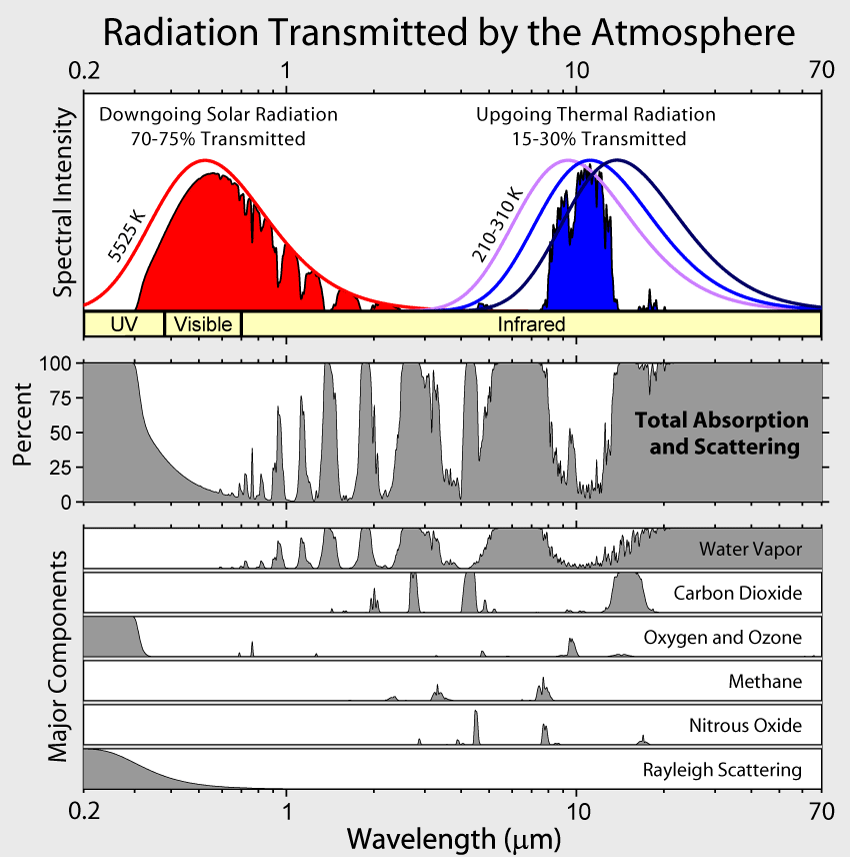
a) Carbon dioxide is a minor player in any further warming. It is uniformly distributed in the atmosphere but only absorbs infrared (heat) in a very narrow wavelength range. The CO2 wavelength range is outside the range of most of the solar radiance that penetrates our atmosphere. It falls roughly inside the wavelength range of temperatures re-radiated when solar radiation heats the earth’s surface. The atmospheric CO2 already absorbs almost all of the radiation that it can in that range. Most of the warming effect of CO2 has already occurred in the past and is one of the reasons our planet is not a frozen wasteland. Any increase in CO2 will have a very minor effect. With CO2 absorption near saturation, almost all of the re-radiated heat in that wavelength range is already being trapped, so it can have little or no effect on future increases in temperature or supposed forcing of water vapor. With CO2 essentially eliminated as a source, any increases in temperature must be from some other sources.

Absorption of gases – note narrow CO2 bands & broad water bands.

http://www.globalwarmingart.com/wiki/File:Atmospheric_Transmission_png

Source: Robert A. Rohde (Dragons flight at English Wikipedia) – This figure was created by Robert A. Rohde from published data and is part of the Global Warming Art project. http://www.atmo.arizona.edu/stud

This figure requires a bit of explaining. The top spectrum shows the wavelengths at which the atmosphere transmits light and heat as well as the “black body” idealized curves for no absorption. It is a little misleading because the data is not based on actual solar and earth data. It is based on two experimental heat sources, one centered at 5525 K (5252o C or 9485o F), the approximate temperature of solar radiation, and one centered in the range of 210 to 310 K (-63o C to 36.8o C or -82oF to 98o F), the approximate temperature range of re-radiated heat from the earth. In reality solar radiation power, (Watts/m2/micron), shown in red, is six million times as strong as the power of re-radiated heat from the earth, shown in blue.

The other spectra are absorption[1] spectra. The top one shows the relative percent absorption by total atmospheric gases at various wavelengths, (note that this spectrum is practically the inverse of the transmission spectrum above it), and the spectra below that show the absorption wavelength ranges of individual atmospheric gases, but not the relative strength of that absorption in reality. As experimental, not real atmospheric, data they can only tell us the wavelength ranges of the absorption, not their relative strengths.

Note that CO2 absorbs in the 15 micron range[2], which is within both the range of re-radiated heat and the strong absorption by water vapor of which the CO2 peak forms a mere shoulder. This is used to claim forcing of water vapor by CO2, without regard to the near-saturation level of CO2. Lesser CO2 peaks in the 2.7 and 4.3 micron ranges also only contribute in a minor way, the first is completely covered by a water vapor absorption peak and the second forms a shoulder in another water vapor peak. These minor peaks occur in a region where both solar radiation and re-radiation are minimized. Methane and nitrous oxide are also shown to be minor players, having narrow absorption ranges and low concentrations. Note too that ozone blocks most of the ultraviolet light from the sun.

b.) Water is by far the most important greenhouse gas/liquid in the form of vapor, high and low altitude clouds, rain and snow, which both absorb and reflect sunlight and re-radiated heat from the surface. Water vapor is not uniformly distributed in the atmosphere, being concentrated near the earth, but strongly absorbs heat in a wide range of wavelengths. More heat means more water vapor evaporating from the oceans. Sounds pretty scary, doesn’t it? Contrary to what is assumed by climate modelers, who use this to claim forcing by CO2, the extra vapor doesn’t remain as vapor. It quickly forms low altitude clouds that strongly reflect in-coming sunlight and heat into space. Any re-radiated heat from the surface that may be trapped by clouds is a small fraction compared to the in-coming solar radiation, so blocking solar radiance has a net cooling effect that overwhelms any increases in trapped re-radiation. High altitude clouds tend to trap heat from being re-radiated into space, but have little effect because the increases in cloud cover due to warming are mostly in low altitude clouds.

[1] Transmission and Absorption are inversely related by the formula A = 1/log T.

[2] The horizontal axis is a log scale in microns so that the 1 to 10 range is in units of 1 and the 10 to 70 range is in tens.

NOTE: Republished from July 22, 2015 Post (media link broken and here restored)


Want to know more about this and other Modern Myths including climate change, evolution, origin of life, Big Bang cosmology or quantum physics? See related posts on this website or buy the book Perverted Truth Exposed: How Progressive Philosophy Has Corrupted Science in print or as e-book/Kindle on line at WND Superstore (the publisher) or at Amazon, Books-a-Million or Barnes & Noble .

Carbon Dioxide is plant food and increases growth rates

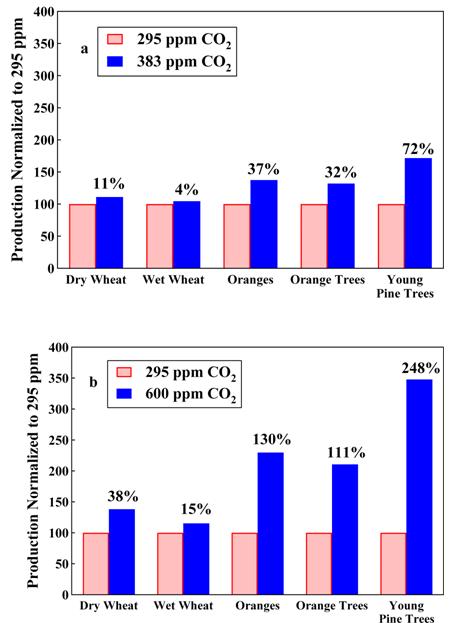
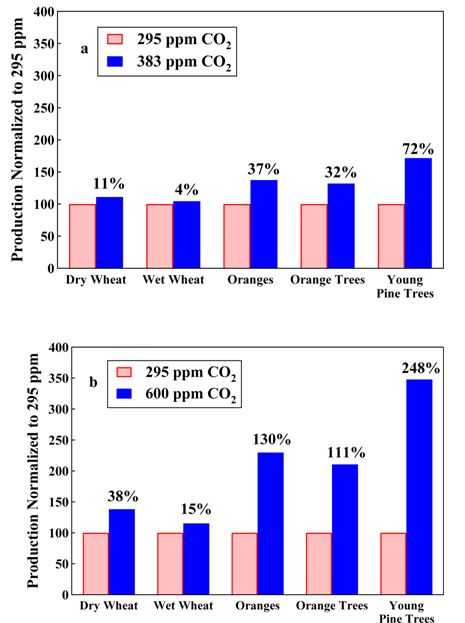
Animals exhale Carbon Dioxide (CO2) and breathe Oxygen (O2), while plants use CO2 and exhale O2. Professional greenhouses often add extra CO2 to increase growth rates. Increased plant growth removes much of the CO2 released into the atmosphere. Between pre-industrial and present times, studies show an average of 15% increase in plant growth rates, with some species increased many times that, e.g. young pine trees. Increased plant growth rates and wider distribution of arable (farmable) land due to warming as well as improved farming practices can solve the so-called overpopulation problem. If much of the data used in the climate models are based on proxy data from tree rings, and growth has been increased by CO2, does that mean that the data is artificially skewed toward “warmer” results? Hmmm.

Plant Growth Chart 1.png


Figure 1. Comparison of Plant Growth at Pre-industrial CO2 levels (295 ppm in pink), at 383 ppm and 600 ppm (in blue) in Dry Wheat, Wet Wheat, Oranges, Orange Trees and Young Pine Trees. Note Percent increases.
Source: Review Article: “Environmental effects of increased atmospheric carbon dioxide,” Willie Soon (1), Sallie L. Baliunas(1), Arthur B. Robinson (2), Zachary W.Robinson (2) Climate Research. 13, 149-164, (1999)  Affiliations: (1) Harvard-Smithsonian Center for Astrophysics, 60 Garden Street, Cambridge, Massachusetts 02138; (2) Oregon Institute of Science and Medicine, 2251 Dick George Road, Cave Junction, Oregon 97523

A. Critics created the “progressive nitrogen limitation hypothesis,” which assumes that increased growth rates of trees would deplete poor soils of nitrogen, thus mediating the positive effects of increased CO2. This is a scenario based on theory, not reality, which stubbornly refuses to support the hypothesis. Many studies[1] show that, contrary to the hypothesis, although roots grow deeper and produce more fine hairs, soil and forest floor are enriched in nitrogen from biological sources, i.e. increased root mass and leaf litter supporting beneficial microbes in the soil.

B. One benefit of increased CO2 is that the stomata (openings) of leaves, which take in CO2 and emit water vapor and oxygen, are reduced, leading to less water loss, enhanced water use and improved tolerance to dryer conditions. At elevated CO2 levels, stomata do not need to be open as far to allow sufficient CO2 in for photosynthesis and, as a result, less water is lost through transpiration[2]. In controlled studies, an additional benefit of reduced stomata openings is a reduction of ozone damage.

C. The increased rate of growth of plants, from forests to sea algae, results in more of certain cooling aerosols being produced. These include Carbonyl Sulfide (COS) from soil and seas that become highly reflective sulfate in the stratosphere to reflect more solar radiation back into space, Iodo-compounds from sea algae that nucleate clouds to reflect more solar radiation back into space, dimethyl sulfide (DMS), from seas that nucleates clouds and other aerosols such as isoprene from trees with similar effects.

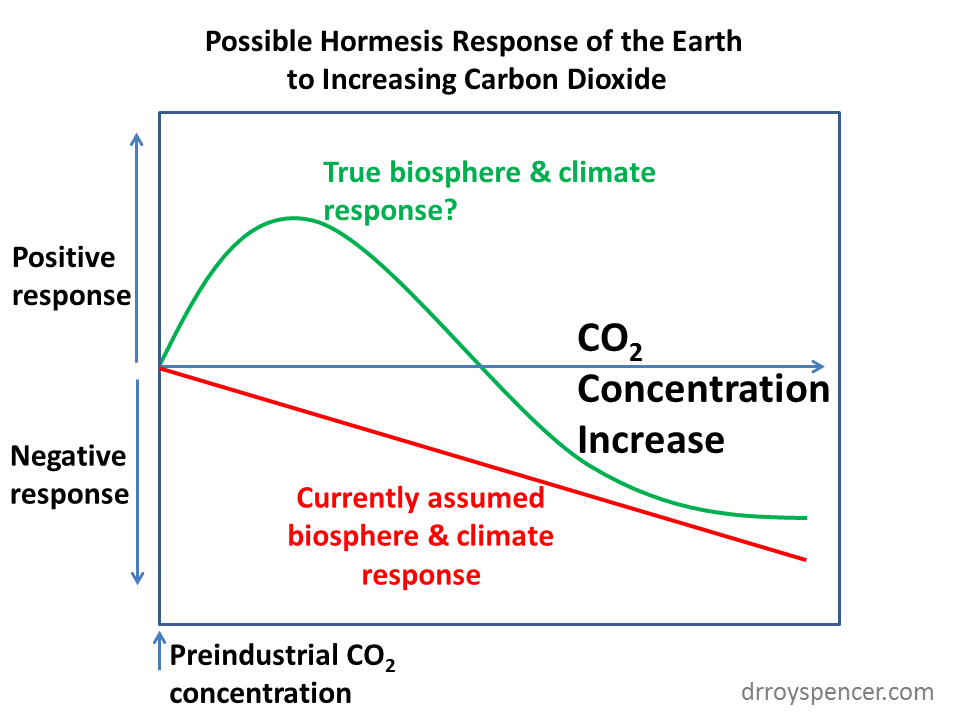
D.  Hormesis is a phenomenon, commonly seen in medicine and nutrition, where a low concentration or dose results in a positive effect, but a larger dose results in damage. For instance, some salt and water are necessary to good health, but beyond a certain point, ingesting more can be harmful or fatal. The effect of CO2 on plant life appears to be one such system. Increased CO2 obviously benefits plant life, but it is uncertain at what level CO2 might have a detrimental effect on growth. In professional greenhouses and experiments, even ten times the current level is still beneficial.

Hormesis Chart 1

Figure 2.  Illustration of how Carbon Dioxide is beneficial to plants through Hormesis. Horizontal Axis is Increasing CO2 level.

Source: http://www.drroyspencer.com/Earth’s Response to Increasing CO2: An Example of Hormesis? August 11th, 2014

As a matter of fact, CO2 below 400 ppm restricts growth, and below 150 ppm plants die en masse.  For a good summary of this, see post at http://notrickszone.com/2013/05/17/atmospheric-co2-concentrations-at-400-ppm-are-still-dangerously-low-for-life-on-earth/ by posted on 17. May 2013 :   Atmospheric CO2 Concentrations At 400 PPM Are Still Dangerously Low For Life On Earth 

[1] Example: Phillips, R.P., Finzi, A.C. and Bernhardt, E.S. 2011. “Enhanced root exudation induces microbial feedbacks to N cycling in a pine forest under long-term CO2 fumigation”. Ecology Letters 14: 187-194.

[2] See review article of research papers: “Responses of agricultural crops to free-air CO2 enrichment” Kimball, B.A., Kobayashi, K. and Bindi, M., Advances in Agronomy 77: 293-368 2002.

This article was first published in August, 2015. Some revisions/links have been added. Information is from my book Perverted Truth Exposed: How Progressive Philosophy has Corrupted Science, published June 2016, available online from Amazon.com

Climate Change: What’s Real and What’s Artificial? Reposted

Urban Heat 3Although we apparently are in a pause, I decided to repost the part of this article about Urban Heat Island effects FYI.

o

 o

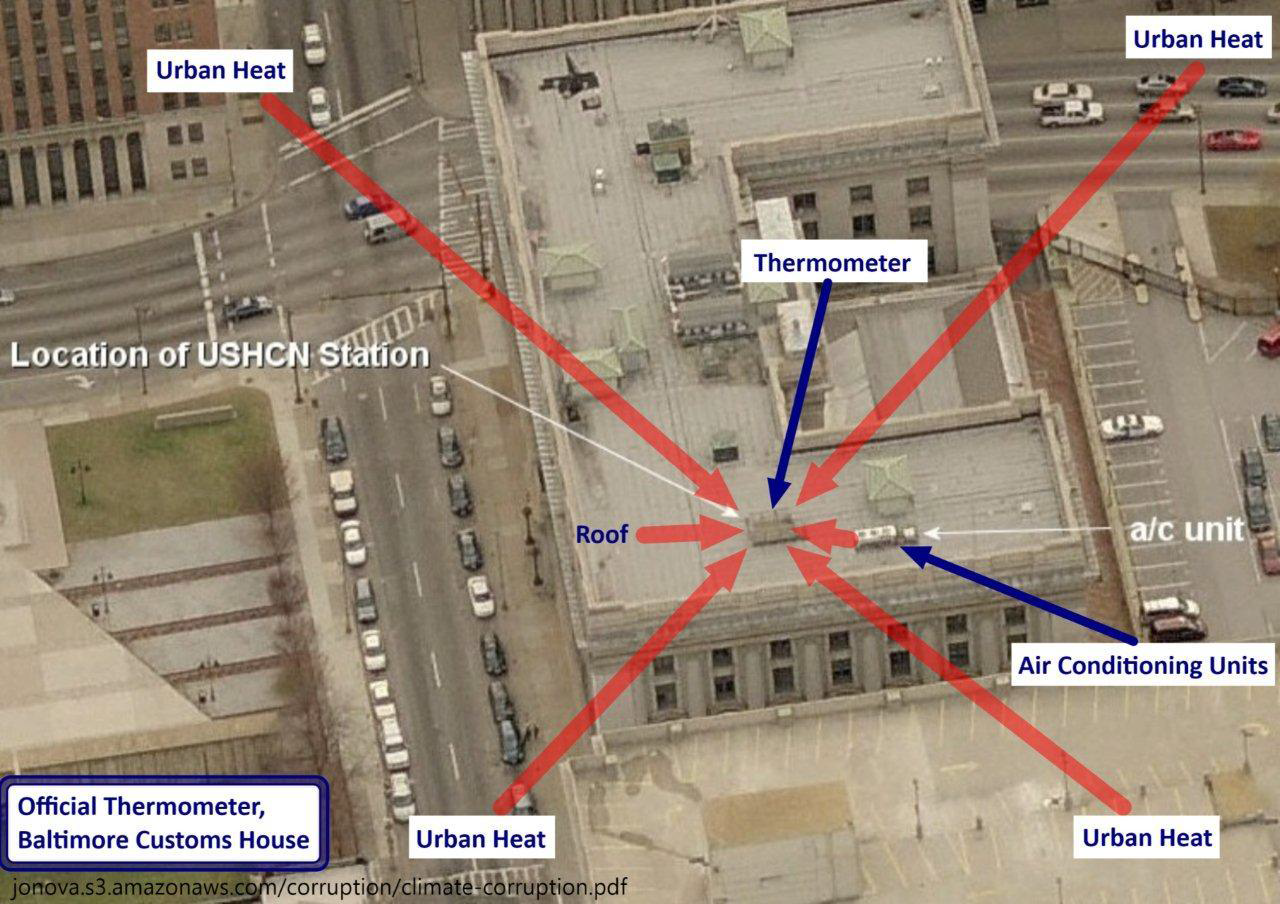
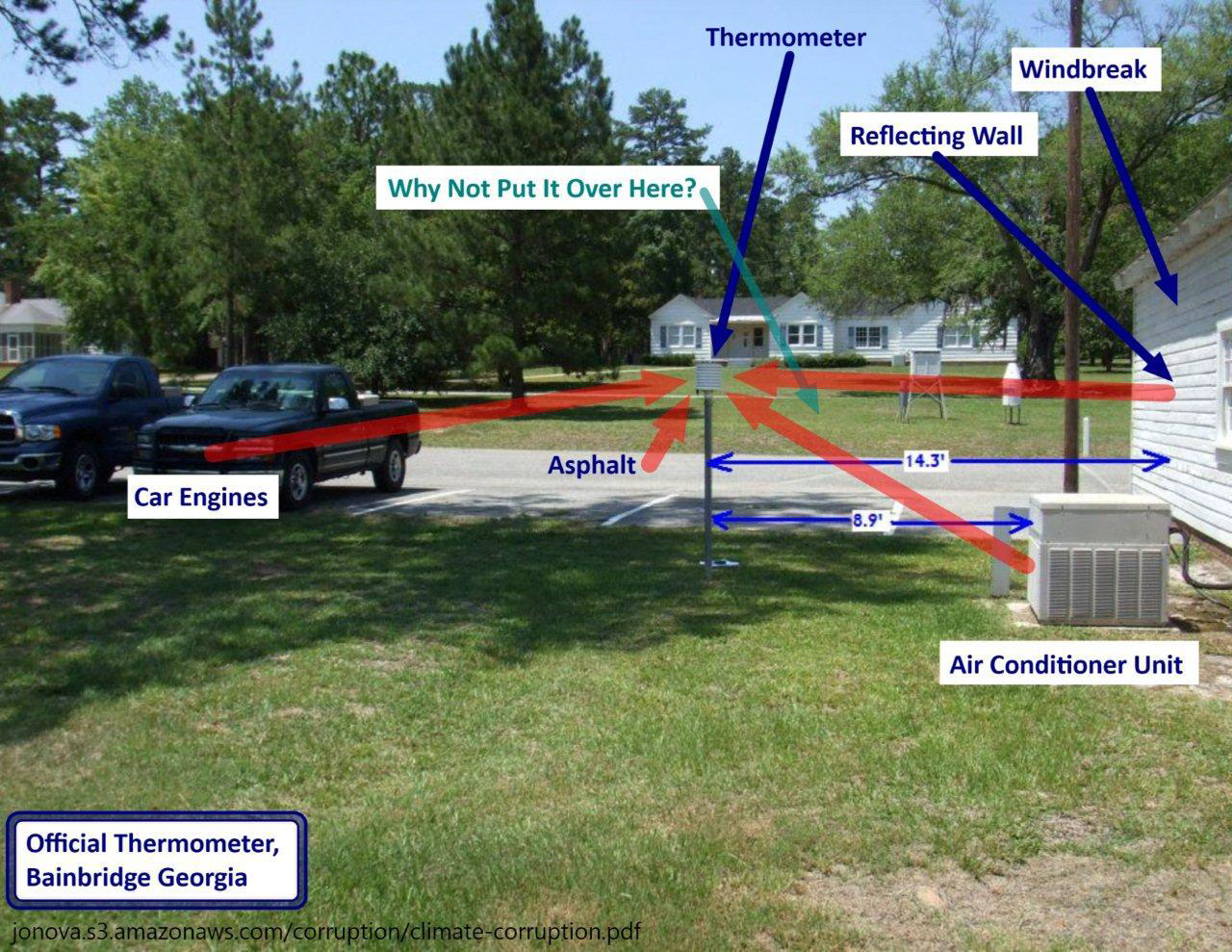
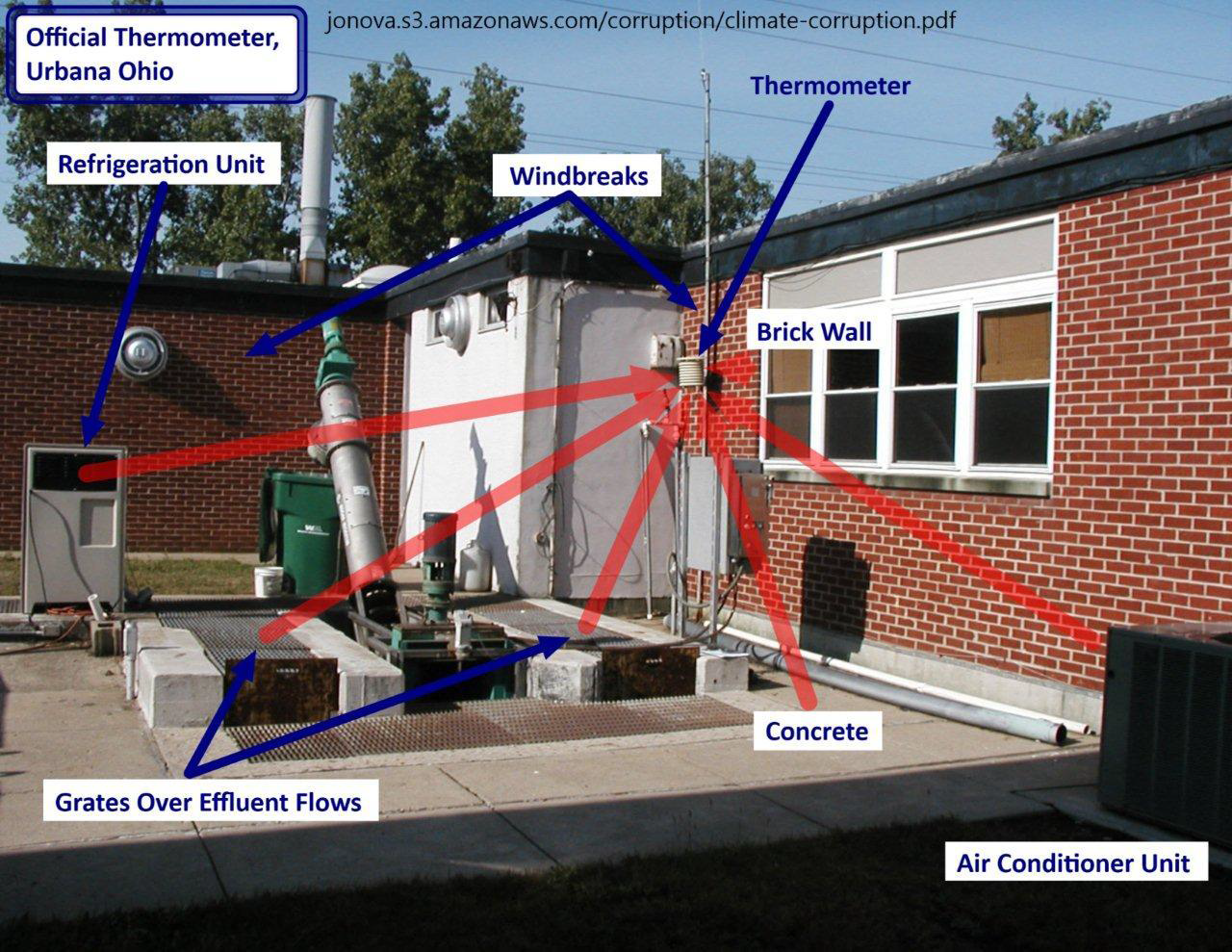
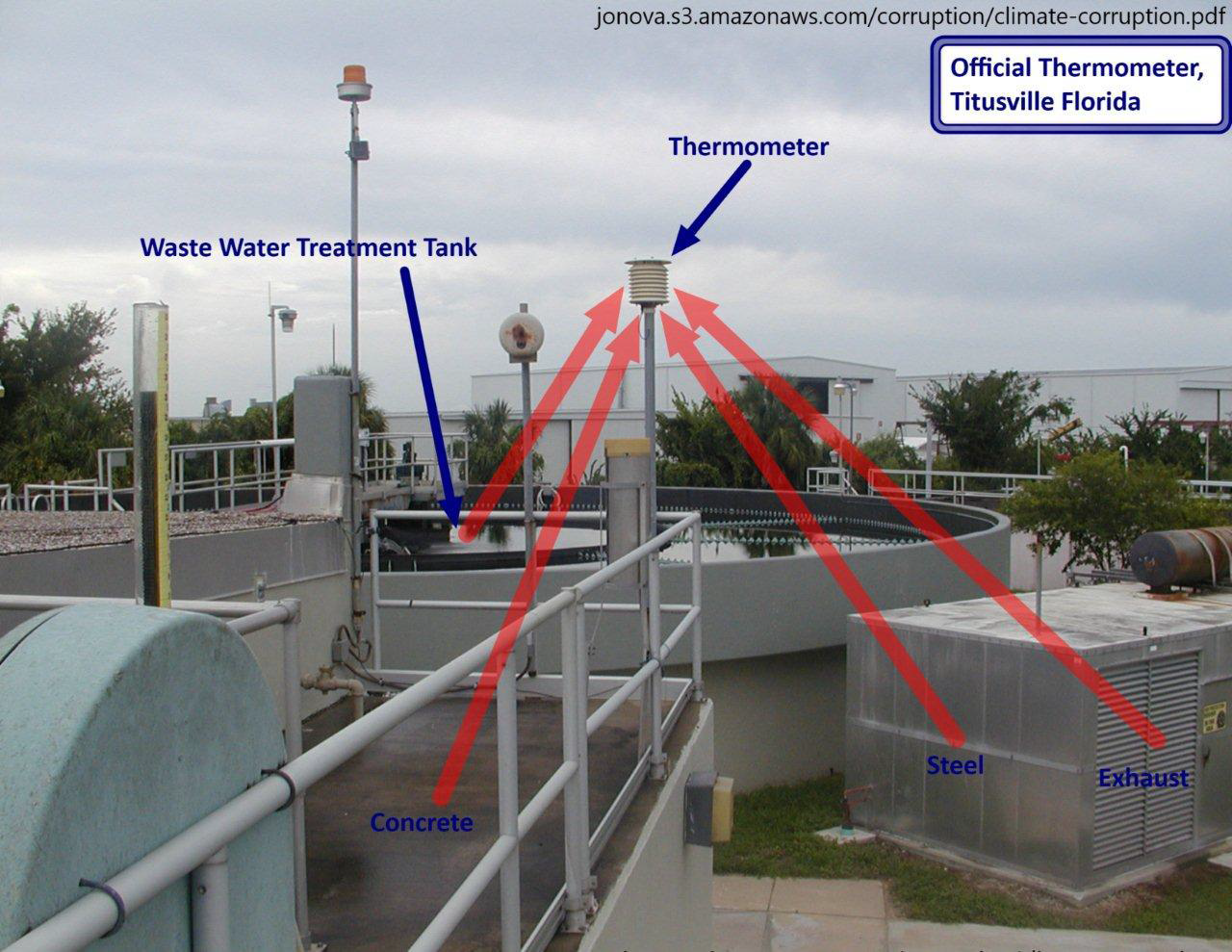
One “cause” of rising average global temperatures is the urban heat island effect. Cities are hotter than rural areas. Many of the reporting stations that were once in undeveloped rural areas have experienced either suburban or urban development, or the stations have been moved to more urban settings. It is well documented that some have been, seemingly intentionally, relocated near or at heat sources such as paved parking lots and air conditioners.

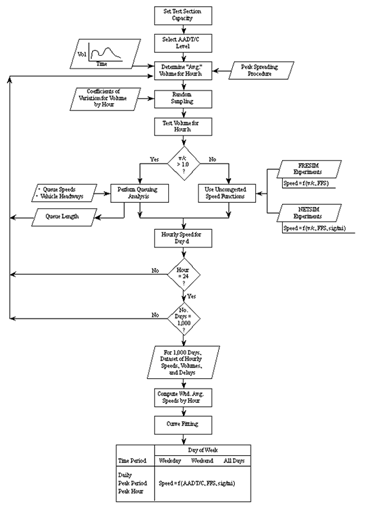
One reason for relocation near buildings or other structures could be that new automatic-reporting equipment needs to be connected by cable. Rather than dig up parking lots or roads to install units in a grassy or protected area, many have opted to locate them where they can be directly connected without involving costly excavation, although such sites do not meet the stated requirements. Instead of excluding data from stations that are poorly situated, a convoluted mathematical algorithm (scheme) is used to “correct” it to presumed pre-industrial levels. See illustrations below.

One additional problem with the newer sensors is their fast response.  Since they record the high and low temperature point each day, not the average, they can report a transient heat source like a passing bus, an idling auto or jet engine exhaust at the airport instead of the actual ambient temperature.

Urban Heat 6
Actual Conditions are run through a algorithm (below)
Urban Heat 8
Example flow chart of algorithms used to correct actual data
Corrected data approximated by algorithm

Urban area plus mathematical correction algorithm equals pristine nature

Source: “The Influence of anthropic surface processes and inhomogeneities on gridded global climate data” Slide 21, Powerpoint presentation to the American Chemical Society, Denver CO via Webinar, August 28 2011 by Ross McKitrick, Department of Economics, University of Guelph, Guelph ON Canada  http://www.rossmckitrick.com/general-overviews.html

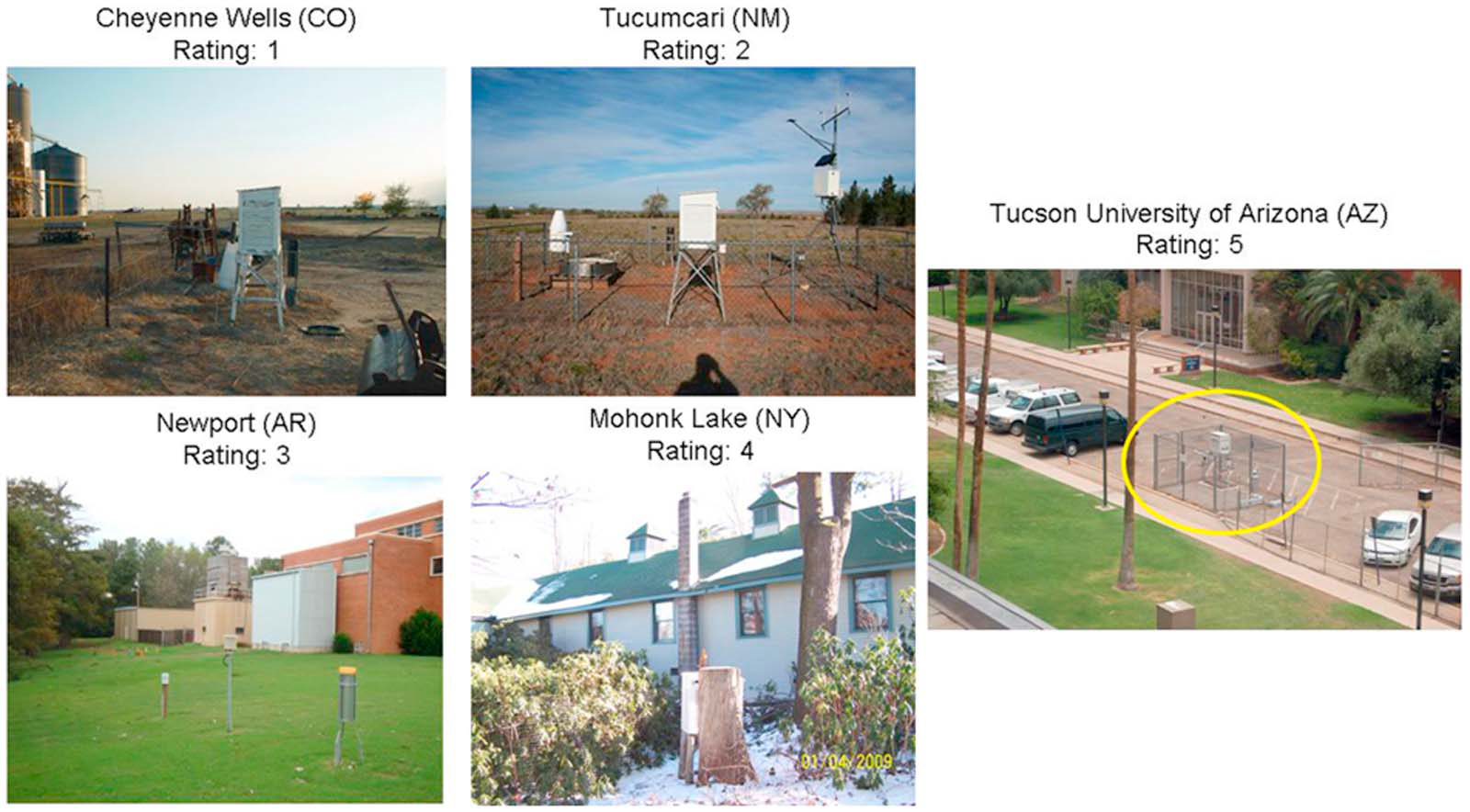
Proposed rating of reporting stations with regard to surroundings:

Urban Heat 5

Figure 3. U.S. Historical Climate Network (USHCN) station exposure at sites representative of each CRN class: CRN 1, a clear flat surface with sensors located at least 100 m from artificial heating and vegetation ground cover <10 cm high; CRN 2, same as CRN 1 with surrounding vegetation <25 cm and artificial heating sources within 30 m; CRN 3, same as CRN 2, except no artificial heating sources within 10 m; CRN 4, artificial heating sources <10 m; and CRN 5, sensor located next to/above an artificial heating source.

Source:  “Analysis of the impacts of station exposure on the U.S. Historical Climatology Network temperatures and temperature trends,” Souleymane Fall, Anthony Watts, John NielsenGammon, Evan Jones, Dev Niyogi, John R. Christy,5and Roger A. Pielke Sr., Journal of Geophysical Research, Vol. 116, D116, D14120  doi:10.1029/2010JD015146, 2011

See other examples below of poor placement of temperature reporting stations from “Is the Western Climate Establishment Corrupt?” The public might not understand the science, but they do understand cheating, Dr. David Evans, 11 Nov 2010 (last updated 28 Feb 2011) Web Address: jonova.s3.amazonaws.com/corruption/climate-corruption.pdf

 Urban Heat 4

Urban Heat 1

Urban Heat 2


Urban Heat 3

Calculated Chaos: Renewable Energy Zealot’s Wind & Solar Plan for California Just Doesn’t Add Up

stopthesethings's avatarSTOP THESE THINGS

Mad Bill doesn’t just look like a zealot …

Facts, reason and logic have never troubled the true believers in our ‘inevitable transition’ to an all wind and sun powered future.

Trifling matters, like cost and reliability, are dismissed in an instant. The slaughter of millions of birds and bats, swept under the carpet. And the environmental havoc wreaked across countryside carpeted in thousands of toxic turbines and solar panels from horizon to horizon, is deemed to be all for the greater good.

They’re not called zealots, for nothing. As Robert Bryce details below.

A fully renewable California?
Los Angeles Times
Robert Bryce
21 August 2018

Back in 2012, the environmental organization 350.org and its leader, Bill McKibben, took a “Do the Math” tour across America to talk about “the terrifying math of the climate crisis.” Alas, it appears McKibben has since developed an allergy to simple arithmetic.

In a…

View original post 676 more words

Water Wars: Wind Turbine Construction Destroying Underground Water Supplies in Ontario

stopthesethings's avatarSTOP THESE THINGS

Pundits have predicted that the next major war will be sparked over water. In Ontario just such a battle is (pardon the pun) well underway.

A couple of weeks back STT reported on the destruction of underground water supplies in Chatham-Kent: Ontario: Water, Water Everywhere – But Thanks to Wind Turbines – Not A Drop to Drink

While that story has clocked up almost 4,000 hits, it seems we only just scratched the surface.

Locals are furious, not just at the fact that once pristine water supplies have been turned to toxic sludge, they are wild at the way wind power outfits and their pet consultants are lying about the cause.

The first story goes right to the heart of that piece of wind industry spin.

Debate Continues on Water Wells and Contamination
Ontario Farmer
Jeffrey Carter
20 February 2018

Geological engineer Maurice Dusseault wasn’t surprised to hear that Chatham-Kent water…

View original post 2,309 more words

Fact Factory: Smashing Big Wind Starts & Ends With Data & Detail

Very useful data and facts from stopthesethings.com blog about harm to birds, bats, etc. and the real cost and imaginary benefits of offshore wind turbines.

stopthesethings's avatarSTOP THESE THINGS

What the wind industry hates most are facts; facts about rocketing power prices, massive subsidies, chaotic intermittency, incessant noise and consequent harm to neighbour’s health, the destruction of birds and bats, the destruction of underground water supplies, turbines spontaneously combusting, disintegrating or throwing their blades to the four winds. We could go on.

On this occasion, however, we’ll hand over to our American cousins from the North American Platform Against Windpower, who deal with all of the above and more in a cracking and compendious letter to the Ohio Power Siting Board (and others) about plans to spear a clutch of massive Vestas 3.45 MW whirling wonders into the shores of Lake Erie, in Cleveland, Ohio.

In the Matter of the Application of Icebreaker Windpower, Inc., for a Certificate to Construct a Wind-Powered Electric Generation Facility in Cuyahoga County, Ohio
Case No. 16-1871-EL-BGN
Sherri Lange, Al…

View original post 6,085 more words

Why CO2 is not the cause of climate change

Does Carbon Dioxide cause climate change?

a) Carbon dioxide is a minor player in any further warming. It is uniformly distributed in the atmosphere but only absorbs infrared (heat) in a very narrow wavelength range. The CO2 wavelength range is outside the range of most of the solar radiance that penetrates our atmosphere. It falls roughly inside the wavelength range of temperatures re-radiated when solar radiation heats the earth’s surface. The atmospheric CO2 already absorbs almost all of the radiation that it can in that range. Most of the warming effect of CO2 has already occurred in the past and is one of the reasons our planet is not a frozen wasteland. Any increase in CO2 will have a very minor effect. With CO2 absorption near saturation, almost all of the re-radiated heat in that wavelength range is already being trapped, so it can have little or no effect on future increases in temperature or supposed forcing of water vapor. With CO2 essentially eliminated as a source, any increases in temperature must be from some other source.

Absorption of gases – note narrow CO2 bands & broad water bands.

http://www.globalwarmingart.com/wiki/File:Atmospheric_Transmission_png

Source: Robert A. Rohde (Dragons flight at English Wikipedia) – This figure was created by Robert A. Rohde from published data and is part of the Global Warming Art project. http://www.atmo.arizona.edu/stud

This figure requires a bit of explaining. The top spectrum shows the wavelengths at which the atmosphere transmits light and heat as well as the “black body” idealized curves for no absorption. It is a little misleading because the data is not based on actual solar and earth data. It is based on two experimental heat sources, one centered at 5525 K (5252o C or 9485o F), the approximate temperature of solar radiation, and one centered in the range of 210 to 310 K (-63o C to 36.8o C or -82oF to 98o F), the approximate temperature range of re-radiated heat from the earth. In reality solar radiation power, (Watts/m2/micron), shown in red, is six million times as strong as the power of re-radiated heat from the earth, shown in blue.

The other spectra are absorption[1] spectra. The top one shows the relative percent absorption by total atmospheric gases at various wavelengths, (note that this spectrum is practically the inverse of the transmission spectrum above it), and the spectra below that show the absorption wavelength ranges of individual atmospheric gases, but not the relative strength of that absorption in reality. As experimental, not real atmospheric, data they can only tell us the wavelength ranges of the absorption, not their relative strengths.

Note that CO2 absorbs in the 15 micron range[2], which is within both the range of re-radiated heat and the strong absorption by water vapor of which the CO2 peak forms a mere shoulder. This is used to claim forcing of water vapor by CO2, without regard to the near-saturation level of CO2. Lesser CO2 peaks in the 2.7 and 4.3 micron ranges also only contribute in a minor way, the first is completely covered by a water vapor absorption peak and the second forms a shoulder in another water vapor peak. These minor peaks occur in a region where both solar radiation and re-radiation are minimized. Methane and nitrous oxide are also shown to be minor players, having narrow absorption ranges and low concentrations. Note too that ozone blocks most of the ultraviolet light from the sun.

b.) Water is by far the most important greenhouse gas/liquid in the form of vapor, high and low altitude clouds, rain and snow, which both absorb and reflect sunlight and re-radiated heat from the surface. Water vapor is not uniformly distributed in the atmosphere, being concentrated near the earth, but strongly absorbs heat in a wide range of wavelengths. More heat means more water vapor evaporating from the oceans. Sounds pretty scary, doesn’t it? Contrary to what is assumed by climate modelers, who use this to claim forcing by CO2, the extra vapor doesn’t remain as vapor. It quickly forms low altitude clouds that strongly reflect in-coming sunlight and heat into space. Any re-radiated heat from the surface that may be trapped by clouds is a small fraction compared to the in-coming solar radiation, so blocking solar radiance has a net cooling effect that overwhelms any increases in trapped re-radiation. High altitude clouds tend to trap heat from being re-radiated into space, but have little effect because the increases in cloud cover due to warming are mostly in low altitude clouds.

[1] Transmission and Absorption are inversely related by the formula A = 1/log T.

[2] The horizontal axis is a log scale in microns so that the 1 to 10 range is in units of 1 and the 10 to 70 range is in tens.

NOTE: Republished from July 22, 2015 Post (media link broken and here restored)


Want to know more about this and other Modern Myths including climate change, evolution, origin of life, Big Bang cosmology or quantum physics? See related posts on this website or buy the book Perverted Truth Exposed: How Progressive Philosophy Has Corrupted Science in print or as e-book/Kindle on line at WND Superstore (the publisher) or at Amazon, Books-a-Million or Barnes & Noble .

Day of Reckoning for DDT Foes? NOT! Junkscience.com 2006

“…terrible toll in human lives (tens of millions dead — mostly pregnant women and children under the age of 5), illness (billions sickened) and poverty (more than $1 trillion dollars in lost GDP in sub-Saharan Africa alone) caused by the tragic, decades-long ban.”


Day of Reckoning for DDT Foes?  Reblog from Junkscience.com 2006

By Steven Milloy September 21, 2006, FoxNews.com

Last week’s announcement that the World Health Organization lifted its nearly 30-year ban on the insecticide DDT is perhaps the most promising development in global public health since… well, 1943 when DDT was first used to combat insect-borne diseases like typhus and malaria.

Overlooked in all the hoopla over the announcement, however, is the terrible toll in human lives (tens of millions dead — mostly pregnant women and children under the age of 5), illness (billions sickened) and poverty (more than $1 trillion dollars in lost GDP in sub-Saharan Africa alone) caused by the tragic, decades-long ban.

Much of this human catastrophe was preventable, so why did it happen? Who is responsible? Should the individuals and activist groups who caused the DDT ban be held accountable in some way?

Rachel Carson kicked-off DDT hysteria with her pseudo-scientific 1962 book, “Silent Spring.” Carson materially misrepresented DDT science in order to advance her anti-pesticide agenda. Today she is hailed as having launched the global environmental movement. A Pennsylvania state office building, Maryland elementary school, Pittsburgh bridge and a Maryland state park are named for her. The Smithsonian Institution commemorates her work against DDT. She was even honored with a 1981 U.S. postage stamp. Next year will be the 100th anniversary of her birth. Many celebrations are being planned.

It’s quite a tribute for someone who was so dead wrong. At the very least, her name should be removed from public property and there should be no government-sponsored honors of Carson.

The Audubon Society was a leader in the attack on DDT, including falsely accusing DDT defenders (who subsequently won a libel suit) of lying. Not wanting to jeopardize its non-profit tax status, the Audubon Society formed the Environmental Defense Fund (now simply known as Environmental Defense) in 1967 to spearhead its anti-DDT efforts. Today the National Audubon Society takes in more than $100 million per year and has assets worth more than $200 million. Environmental Defense takes in more than $65 million per year with a net worth exceeding $73 million.

In a February 25, 1971, media release, the president of the Sierra Club stated that his organization wanted “a ban, not just a curb” on DDT, “even in the tropical countries where DDT has kept malaria under control.” Today the Sierra Club rakes in more than $90 million per year and has more than $50 million in assets.

Business are often held liable and forced to pay monetary damages for defective products and false statements. Why shouldn’t the National Audubon Society, Environmental Defense, Sierra Club and other anti-DDT activist groups be held liable for the harm caused by their recklessly defective activism?

It was, of course, then-Environmental Protection Agency administrator William Ruckelshaus who actually banned DDT after ignoring an EPA administrative law judge’s ruling that there was no evidence indicating that DDT posed any sort of threat to human health or the environment. Ruckleshaus never attended any of the agency’s hearings on DDT. He didn’t read the hearing transcripts and refused to explain his decision.

None of this is surprising given that, in a May 22, 1971, speech before the Wisconsin Audubon Society, Ruckleshaus said that EPA procedures had been streamlined so that DDT could be banned. Ruckleshaus was also a member of — and wrote fundraising letters for — the EDF.


My note: This speech was before the seven months long EPA hearings before Judge Sweeney began in fall of 1971, so even though the hearings concluded DDT was not harmful to man or environment, Ruckelshaus  already had his mind made up.


The DDT ban solidified Ruckelshaus’ environmental credentials, which he has surfed to great success in business, including stints as CEO of Browning Ferris Industries and as a director of a number of other companies including Cummins Engine, Nordstrom, and Weyerhaeuser Company. Ruckelshaus currently is a principal in a Seattle, Wash., -based investment group called Madrona Venture Group.

Corporate wrongdoers — like WorldCom’s Bernie Ebbers and Tyco’s Dennis Kozlowski — were sentenced to prison for crimes against mere property. But what should the punishment be for government wrongdoers like Ruckleshaus who, apparently for the sake of his personal environmental interests, abused his power and affirmatively deprived billions of poor, helpless people of the only practical weapon against malaria?

Finally, there is the question of the World Health Organization itself. What’s the WHO been doing for all these years? There are no new facts on DDT — all the relevant science about DDT safety has been available since the 1960s. Moreover, the WHO’s strategy of mosquito bednets and malaria vaccine development has been a dismal failure. While the death toll in malarial regions has mounted, the WHO has been distracted by such dubious issues as whether cell phones and French fries cause cancer.

It’s a relief that the WHO has finally come to its senses, but on the other hand, the organization has done too little, too late. The ranks of the WHO’s leadership need to be purged of those who place the agenda of environmental elitists over the basic survival of the world’s needy.

In addition to the day of reckoning and societal rebuke that DDT-ban advocates should face, we should all learn from the DDT tragedy.

With the exception of Rachel Carson (who died in 1964), all of the groups and individuals above mentioned also promote global warming alarmism. If they and others could be so wrong about DDT, why should we trust them now? Should we really put the global economy and the welfare of billions at risk based on their track record?

Steven Milloy publishes JunkScience.com and CSRWatch.com. He is a junk science expert, an advocate of free enterprise and an adjunct scholar at the Competitive Enterprise Institute.

See “DDT: A Case Study in Scientific Fraud” by J. Gordon Edwards, PhD, 2004 at http://www.jpands.org/vol9no3/edwards.pdf

For more information see also my earlier blog – Bring back DDT – Save Africa and other impoverished areas


Facts about Zika virus and Microcephaly

Facts about Zika virus and Microcephaly.microcephaly

Is there a cause and effect link or merely a correlation of unrelated events? Here is the story and the facts so far.  In October 2015 an increase in microcephaly was reported in Brazil. A Brazilian doctor, Adriana Melo, at IPESQ, a research insti­tute in Campina Grande, was the first to report a firm link between Zika and microcephaly. Several months before, there had been an outbreak of Zika virus throughout Brazil. The increase in microcephaly cases occurred only in a coastal state in the northeast of the country. Why not the entire Zika epidemic region?

90% of the 1709 cases of microcephaly and birth defects were concentrated in this limited area. Of this number 1153 were diagnosed as microcephaly. There was no increase in other parts of the country, including an adjoining coastal state with a similar population, which only had 3 cases. This suggests there may be other contributing factors. Socio-economic factors may contribute since most of the mothers of the microcephalic babies were young, single, black and poor, living in small cities near larger cities. Additionally, this same northeastern region has always had the highest incidence of microcephaly in Brazil.

A study by the Latin American Collaborative Study of Congenital Malformations (ECLAMC) called for more controlled studies, and concluded that the data so far is inconclusive of a cause and effect link between Zika infection in the first trimester of pregnancy and microcephaly and similar nervous system defects. For an English translation of the original Portugese summary of the ECLAMC studies, see http://www.nature.com/polopoly_fs/7.33594!/file/NS-724-2015_ECLAMC-ZIKA%20VIRUS_V-FINAL_012516.pdf

This report discusses weaknesses in the methods used by IPESQ, recommendations for further studies and several other factors that may have caused or contributed to the birth defects as listed below.

  • Rumor may have caused over reporting due to active searches and over diagnosis. Brazil health authorities estimate that as many as 2/3 of cases are normally not reported to authorities. If the estimate is correct, this would partially account for an increase, but not the degree reported, so other factors must be involved. However, Brazil reports a rate of 0.5 per 10,000 births compared to EUROCAT of 2.85 per 10,000 births, indicating a gross under reporting.
  • Broadened criteria for microcephaly diagnosis from 3 standard deviations to 2 standard deviations below normal average age and sex adjusted head circumference, and no confirming follow up brain scans or autopsies in most cases.
  • Zika infection in the first trimester of pregnancy cannot be confirmed at the time of birth because the virus is short-lived in the body and will not be present in the mother. Unless the mother was diagnosed early in her pregnancy, occurrence and connection cannot be confirmed.
  • In the original studies other known causes were not ruled out such as STORCH (syphilis, toxoplasmosis, “other,” rubella, cytomegalovirus, herpes simplex), prematurity, diabetes of the mother and fetal alcohol syndrome, a major cause of microcephaly in Brazil.
  • Also not ruled out are possible co-infections with dengue or chikungunya, both present in the population in recent outbreaks. The dengue virus is similar to the Zika virus and difficult to differentiate in tests.
  • A low rate of yellow fever vaccination also seems to correlate to this incident. Yellow fever virus is similar to Zika virus and vaccination may offer some immunity to it.
  • At IPESQ Bovine diarrheal virus (BVDV) was found in brain tissue of 3 fetuses in a later study. This virus does not usually infect humans but is known to cause birth defects in cattle. If true, this may be significant, but Dr. Adriana Melo suspects it may be a contaminant in the sampling or testing procedures.
  • Contaminated water was not considered, although it is common for small cities without proper sanitation and water purification to have biologically contaminated water.
  • Nutrition was not considered in this study other than a mention of general socio-economic influences, although the CDC, NIH and other agencies recognize folic acid (a B vitamin) deficiency as one of the leading causes of neural tube defects (NTD), including microcephaly, anencephaly, and spina bifida. In a recent NIH study they found that other micronutrients may decrease the risk of NTD occurrence, including thiamin (B1), riboflavin (B2), niacin (B3), pyridoxine (B6), betaine (a B vitamin), vitamin A, retinol (A1), vitamin C, vitamin E and iron.

In conclusion, the “link” between Zika virus and microcephaly is far from proven because the original studies lacked scientific discipline and controls. More studies are needed to clarify what role the virus may play in these birth defects. However, it is probably best to take a precautionary approach until more is known.

Is it time to bring back DDT to eradicate the mosquitos that carry Zika and other diseases such as malaria, dengue fever, chikungunya, yellow fever and other diseases? Over 80% of infectious diseases are caused by insects. Assumed adverse environmental and health effects of this important insecticide have failed to materialize in many repeated controlled studies over the last 40 years. See “DDT: A Case Study in Scientific Fraud,” by J. Gordon Edwards, PhD entomology, Journal of American Physicians and Surgeons Volume 9 Number 3 Fall 2004, at http://www.jpands.org/vol9no3/edwards.pdf

References:

“Eclamc Final Document – V.3, Summary and conclusions of Documents 1-5,” December 30th, 2015 http://www.nature.com/polopoly_fs/7.33594!/file/NS-724-2015_ECLAMC-ZIKA%20VIRUS_V-FINAL_012516.pdf

“Neural Tube Defects and Maternal Intake of Micronutrients Related to One-Carbon Metabolism or Antioxidant Activity,” US National Institute of Health, Angela L. Chandler1, Charlotte A. Hobbs1, Bridget S. Mosley1, Robert J. Berry2, Mark A.Canfield3, Yan Ping Qi2, Anna Maria Siega-Riz4, Gary M. Shaw5, and National Birth Defects Prevention Study, in Birth Defects Res A Clin Mol Teratol. 2012 November ; 94(11): 864–874. doi:10.1002/bdra.23068.

  1. Department of Pediatrics, College of Medicine, University of Arkansas for Medical Sciences, Arkansas Children’s Hospital Research Institute, Little Rock, AR 72202
  2. Centers for Disease Control and Prevention, Atlanta, Georgia
  3. Birth Defects Epidemiology and Surveillance Branch, Texas Department of State Health Services, Austin, Texas
  4. Departments of Epidemiology and Nutrition, University of North Carolina School of Public Health, Chapel Hill, North Carolina
  5. Department of Pediatrics, Division of Neonatal and Developmental Medicine, Stanford University School of Medicine, Palo Alto, California

“Brazil’s birth-defects puzzle, Zika virus might not be only factor in reported microcephaly surge.” By Declan Butler, 28 July 2016, Nature, Vol. 535, Page 475-6.

“Zika epidemic uncovers Brazil’s hidden birth defect problem,” by Alex Cuadros, March 1, 2016, Washington Post

Disease Transmission by Arthropods,” E. J. L. Soulsby and William R. Harvey, Science 176, no. 4039 (1972): 1153–1155.

“DDT: A Case Study in Scientific Fraud,” by J. Gordon Edwards, PhD entomology, Journal of American Physicians and Surgeons Volume 9 Number 3 Fall 2004, at http://www.jpands.org/vol9no3/edwards.pdf

Zika and Microcephaly scam used to push Brazil abortion law change

Is changing Brazil’s abortion laws the real purpose for the claims of a Zika and microcephaly link?

See previous post The Truth About Zika Virus and Microcephaly for summary of the analysis showing failure to establish a cause and effect link between Zika & Microcephaly, and a broadening of the definition of Microcephaly.  WHO, other agencies and activists have ignored the original Latin American Collaborative Study of Congenital Malformations (ECLAMC) analysis invalidating the original research. See English translation at http://www.nature.com/polopoly_fs/7.33594!/file/NS-724-2015_ECLAMC-ZIKA%20VIRUS_V-FINAL_012516.pdf

Brazil, a Catholic nation, has allowed abortion only to save the life of the mother or rape, but recently allowed it for anencephaly (missing brain birth defect).  Was this a first step that prompted or preceded the bogus study and the alarming press releases?  The UN has gotten involved and is urging changing the abortion laws across Latin and South America.  Most of these countries are Catholic, so it could be considered an attack on the Church’s strict abortion stand.

See articles from the Guardian below about the campaign to change Brazil’s abortion laws and my notes in blue.


Zika emergency pushes women to challenge Brazil’s abortion law                   Sarah Boseley, The Guardian, Tuesday 19 July 2016

Women’s groups are set to challenge the law in the hope of making termination possible for women at risk of delivering a baby born with Zika-related defects. Women’s rights and gender equality supported by Women’s groups in Brazil are set to challenge the abortion laws this summer in the hope of making a safe and legal termination possible for women at risk of delivering a baby born with defects after exposure to the Zika virus.

“Women should be able to decide and have the means to terminate pregnancies because they are facing serious risks of having babies with microcephaly and also suffering huge mental distress during their pregnancies. They should not be forced to carry on their pregnancies under the circumstances,” said Beatriz Galli, a lawyer on bioethics and human rights who works for Ipas, a group dedicated to ending unsafe abortion.  (IPAS is an international abortion advocacy NGO.)

Lawyers for the organisations will present a legal challenge at the supreme court in the first week of August, when the court sits again after the winter break. They are coordinated by Anis Instituto de Bioética, which campaigns for women’s equality and reproductive rights. (founder of Anis worked with the group cited below)

The groups have obtained an opinion from lawyers at Yale University in the US, who argue that the Brazilian government’s policies on Zika and microcephaly have breached women’s human rights. The government “has failed to enact adequate measures to ensure that all women have access to comprehensive reproductive health information and options, as required by Brazil’s public health and human rights commitments”, says a review from the Global Health Justice Partnership, which is a joint initiative of the Yale Law School and the Yale School of Public Health. (“Health Justice” gives away the leftist, extreme position on “sexuality, gender and reproductive issues” of this group)

It is also critical of Brazil’s handling of the epidemic. Its “failure to ensure adequate infrastructure, public health resources and mosquito control programmes in certain areas has greatly exacerbated the Zika and Zika-related microcephaly epidemics, particularly among poor women of racial minorities”, the review says.

As of 7 July, there have been1,638 cases of reported microcephaly – an abnormally small head – and other brain defects in Brazil, according to the World Health Organisation. (almost all of these cases were in a small area in the northeast, but the Zika virus epidemic was country wide – a smoking gun against cause and effect) Women who do not want to continue their pregnancy because they have been infected, even if they have had a scan confirming brain defects in the baby, are unable to choose a legal termination. There is evidence of a rise in early abortions using pills obtainable online and fears that unsafe, illegal abortions will be rising too.

Galli said there were already about 200,000 hospitalisations of women who have undergone a clandestine termination every year, and a suspected 1 million illegal abortions before the epidemic. “We know that there are clinics operating in the very low-income poor settings in Rio and women are paying a lot of money and are risking their lives,” she said. (This appears to be an estimate based on a small number  of hospitals extrapolated to the entire country and scaled up by some arbitrary factor. From various sources the estimates vary widely.)

Campaigners who want to change the law are encouraged by a ruling the supreme court handed down in the case of babies with anencephaly in 2012. This is a condition where the foetus develops without a brain, making it impossible for the baby to be born alive. The case took eight years, but eventually the court voted eight to two in favour of making abortion legal in those circumstances. (Is this the precedent prompting the Zika-microcephaly scam?)

Before the ruling, there were two exceptions to the ban on termination in Brazil – when the pregnant woman’s life was at risk and when she had been raped. Anencephaly became the third, but campaigners acknowledge that it is not a simple precedent.

Debora Diniz, co-founder of Anis and professor of law at the University of Brasilia, said she was confident the court would understand that the situation is an emergency. They were not asking for the legalisation of abortion, she said, but “to have the right to abortion in the case of Zika infection during the epidemic”.

“It is not an abortion in the case of foetal malformation. It is the right to abortion in case of being infected by the Zika virus, suffering mental stress because you have this horrible situation and so few answers on how to plan and have a safe pregnancy,” she said. (emphasis added)

Campaigners have five demands: good information for women in pregnancy, improvements in access to family planning, giving women mosquito repellents, better social policies to help children born with birth defects because of Zika and financial support for parents.

Diniz points out that the worst hit are the poor. “The feeling in my well-to-do neighbourhood [in Brasilia] is that everything is fine,” she said. People have never met a woman with Zika or seen a baby with neurological defects. But when she goes to clinics in hard-hit areas such as Campina Grande in the north-east, everything revolves around Zika. (Zika is a mild disease with low fever and rash, and is often not even recognized. Zika has been seen in other countries for 40+ years with no birth defects.  Note the admission of limited area “affected.”)

“We have two countries in one country,” she said. “This is an emergency of unknown women. The trouble is they were unknown before the epidemic. I’m not being an opportunist. We have an epidemic and the epidemic shows the face of Brazilian inequality.”

https://www.theguardian.com/global-development/2016/jul/19/zika-emergency-pushes-women-to-challenge-brazil-abortion-law


UN tells Latin American countries hit by Zika to allow women access to abortion

Jonathan Watts in Rio de Janeiro, The Guardian, Friday 5 February 2016 (Note that the article above is 6 months after this one, but is still touting the same line)

Strict curbs on contraception and abortion are common in hard-hit nations but UN says women should have choice about degree of risk they’re willing to take

Women protest anti-abortion laws in El Salvador, which has one of the highest rates of Zika infection – and where even miscarriages can be treated as murder.

The United Nations high commissioner for human rights has called on Latin American countries hit by the Zika epidemic to allow women access to abortion and birth control, reigniting debate about reproductive rights in the predominantly Catholic region.

The rapidly spreading virus is suspected to have caused an uptick in foetal brain defects. Although this is not yet scientifically proven, many campaigners say women should have a choice about the degree of risk they are willing to take. (emphasis added. Note that this author at least admits the lack of scientific proof.)

This is currently very limited in Latin America due to strict controls on birth control and abortion, which range widely from country to country. On one extreme is El Salvador – which has one of the highest rates of Zika infection in the continent – where even miscarriages can be treated as murder.  On the other is Uruguay, where pregnancies can be terminated in any circumstances up to 12 weeks.

The UN commissioner is asking governments in Zika-affected areas to repeal policies that break with international standards on access to sexual and reproductive health services, including abortion.

“We are asking those governments to go back and change those laws,” said spokeswoman Cecile Pouilly on Friday. “Because how can they ask those women to become pregnant but also not offer them first information that is available, but the possibility to stop their pregnancies if they wish?”

The commissioner’s initiative was welcomed by the US-based NGO the Center for Reproductive Rights.

“Women cannot solely bear the burden of curbing the Zika virus,” said Charles Abbott, the group’s legal adviser for Latin America & the Caribbean. “We agree with the OHCHR that these governments must fulfil their international human rights obligations and cannot shirk that responsibility or pass it off to women. This includes adopting laws and policies to respect and protect women’s reproductive rights.”

Health authorities in at least five affected countries have advised women to avoid getting pregnant, with Colombia telling called on women to delay pregnancy for six to eight months, and El Salvador, suggesting women avoid getting pregnant for at least two years. (emphasis added)

Reproductive rights advocates say the recommendations to avoid pregnancy are irresponsible and do not take into account that most pregnancies in the region are unplanned.

This is not the only area of contention sparked by the rapid spread of the virus. Scientists in Brazil are also in disagreement about the significance of new studies – revealed on Friday – that show Zika is present in saliva, which some say should prompt warnings against kissing. (emphasis added)

The Fiocruz research institute in Rio de Janeiro said on Friday it had identified live samples of Zika in saliva and urine, which merited further research into whether these two fluids could be a source of contagion.

Until the outcome is known, Paulo Gadelha, president of the institute, suggested pregnant women should think twice about kissing anyone other than their partners or sharing drinking glasses or cutlery with people who might be infected.

Although he said this was “not a generalized public health measure”, the proposed precaution has been met with a mixture of fear and derision. Other scientists argue that it is extremely unlikely for the disease to spread in this way.

“The warning is crazy and unnecessary,” said Rubio Soares Campos, who co-identified the first case of Zika in Brazil.  “Just because the virus is present in saliva does not mean it can be transmitted that way.”

He argued that it was more likely to behave like dengue, another mosquito-borne disease that is found in human bodily fluids but cannot be spread that way.

But the latest news has increased the unease of the Brazilian public, who have watched with alarm as Zika has come from nowhere to infect an estimated 1.5 million people with an apparently growing range of suspected – but not yet scientifically proven – side-effects, including immune system disorders and brain defects in newborns. (emphasis added)

“It’s starting to scare the hell out of me,” said one Rio resident, Maria Teixeira. “At first everybody thought is was just a mild fever. Then, we were told it could develop into Guillain-Barré syndrome, and then that it was associated with horrible side-effects such as deformed babies. What’s next?”

https://www.theguardian.com/world/2016/feb/05/zika-virus-epidemic-abortion-birth-control-access-latin-america-united-nations