Solar and Wind are not reliable answers to clean energy

Are solar and wind power the answers to future clean energy needs? If not, why not.

  • Solar and wind power are NOT the answers to clean energy for the future.
  • If environmentalists were serious about clean power, they would support hydroelectric, geothermal and nuclear power. All of which are clean, reliable and use well developed technologies.
  • If CO2 is not causing warming, (see previous post Why CO2 is not the cause of climate change ) hydrocarbons can provide clean energy with proper scrubbers to eliminate pollutants from smoke.
  • Solar and wind power, by their very nature, are intermittent and unpredictable. The sun is not always visible and the wind is not always blowing at ideal speeds.
    • You can’t run a hospital or a manufacturing plant on unpredictable intermittent and fluctuating power.
    • Fluctuating power can damage computers and electric motors in appliances like refrigerators, heat pumps, etc.
  • As primary power sources, solar and wind power require back up power from other more consistent sources. Their unpredictable nature makes it difficult to supply consistent power as needed through back up sources like fossil fuel and hydroelectric power plants, which cannot change their output quickly, and must run at less than peak efficiency to be ready when needed.
  • More realistically, wind and solar can only provide a small amount of supplementary power to other more reliable sources like fossil fuel or hydroelectric plants.
  • Solar and wind require covering large areas with turbines or solar arrays to supply power, which necessarily disrupts ecosystems.
  • Solar panels and wind generators require exotic “rare earth” minerals, whose extraction is very polluting due to the naturally dispersed nature of rare earths (thus the name).
  • Solar panels are very inefficient and short lived, e.g. typically less than 30% efficiency for 15 to 20 years with declining efficiency over time. Efficiency varies with the time of day/angle of the sun, latitude, prevalence of clouds and dust accumulation. Disposal of wastes are also problematic.
  • Solar plants using mirrors aimed at a steam generator are low tech but their high heat kills birds.
  • Wind turbines kill birds and bats and produce infra-sound that may be harmful to animals and humans.
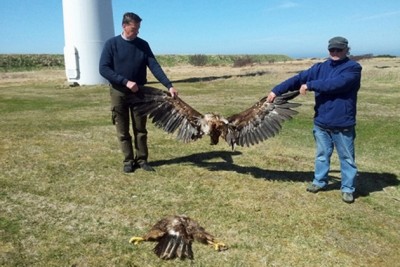
Raptors sucked into wind turbine blades

10. Why do environmentalists hate hydroelectric power, which is the cleanest and most reliable power source

  • Environmentalists oppose hydroelectric power for two reasons.
    • The first and real reason is that their socialistic goal is to cripple economies and reduce populations that these sources would support.
      • (“Giving society cheap abundant energy would be the equivalent of giving an idiot child a machine gun.” – Paul Ehrlich or paraphrased: “Like giving a loaded gun to a child”)
      • They dream of a return to idealized more primitive times, which were, in reality, brutal and polluting.
      • In reality, the best way to protect the environment and stabilize family sizes is to raise poor people in developing countries out of their disease ridden squalor. They’re not lazy, just sick. Poverty, not population size, is the cause of environmental damage.
      • Africa, for example, has largely untapped hydroelectric capacity beyond their energy needs for the foreseeable future, but that would support a larger population, which the environmentalists fight against.
    • The second “reason,” aka excuse, is disruption of the environment.
      • They don’t seem to mind the environmental disruption by wind and solar farms.
    • Hydroelectric power using large to small waterfalls provides reliable power with minimal impact.
    • Hydroelectric dams require reservoirs that fill slowly to cover formerly dry land, (so the downstream river is not starved in the process), which temporarily disrupts ecosystems that historically have quickly adapted.
      • They prevent periodic downstream flooding that causes misery and death.
      • They provide water for homes, industry and agriculture, and jobs from fishing and tourism.
        • If there is a shortage of fresh water in the world, as claimed by environmentalists, it is because reservoirs are needed.
        • Environmental groups have prevented the construction of over 200 hydroelectric dams in Africa alone.

Perverted Truth Exposed: How Progressive Philosophy Has Corrupted Science

Perfect Read for Christmas!

Perverted Truth Exposed: How Progressive Philosophy Has Corrupted Science[1]

by T Kiser (Author)

4.5 out of 5 stars 2 customer reviews on Amazon

In Perverted Truth Exposed, Kay Kiser exposes areas of science that have been corrupted by progressive and atheist philosophies disguised as science, including the theories of evolution, origin of life, cosmology, and quantum physics.

The climate change debate presents a modern example of how the perversion of science is politically imposed to support an anti-God, anti-human progress agenda of Marxist control and power while silencing opposition through intimidation. Kiser also answers:

Did Darwin really steal his theory of evolution from Alfred Wallace?

Why did Wallace later abandon the theory as not having sufficient evidence?

If Hubble discovered the expanding universe leading to the Big Bang Theory, why did he continually try to convince others that their conclusion was wrong?

Is man-made carbon dioxide causing global warming or is it a trailing indicator of climate change in a system dominated by solar cycles, cloud cover, and ocean currents?

Special offers and product promotions

Product details

·         Paperback

·         Publisher: World Ahead Press (July 28, 2016)

·         Language: English

·         ISBN-10: 1944212183

·         ISBN-13: 978-1944212186

·         Product Dimensions: 5.5 x 0.7 x 8.5 inches

·         Shipping Weight: 14.9 ounces (View shipping rates and policies)

·         Average Customer Review: 4.5 out of 5 stars 2 customer reviews

·         Amazon Best Sellers Rank: #3,986,423 in Books (See Top 100 in Books)

o    #3603 in Books > Politics & Social Sciences > Politics & Government > Public Affairs & Policy > Environmental Policy

o    #3820 in Books > Science & Math > Earth Sciences > Climatology

o    #4591 in Books > Religion & Spirituality > Religious Studies > Science & Religion


[1] Excerpts from Amazon 11-9-2017

Internat’l Orgs deny essential resources to poor countries, Part 1

Most people assume that trusted international leaders and nonprofit organizations would value life and want to raise the standard of living and lifespans of people in less developed cultures. This has apparently not been the case for many internationally recognized governmental and non-governmental agencies. Among the preponderance of international organizations, the focus is on reducing the population and maintaining the status quo, not on humanitarian aid or developing underdeveloped cultures.  Although this is slowly changing through various charitable organizations, most official international agencies give only enough aid and support to barely sustain the under-privileged, but not enough to raise their standard of living, develop their infrastructure or change their long range outcome.  It has repeatedly been demonstrated that raising the standard of living and health of impoverished peoples is the best way to both stabilize the population and protect the environment.

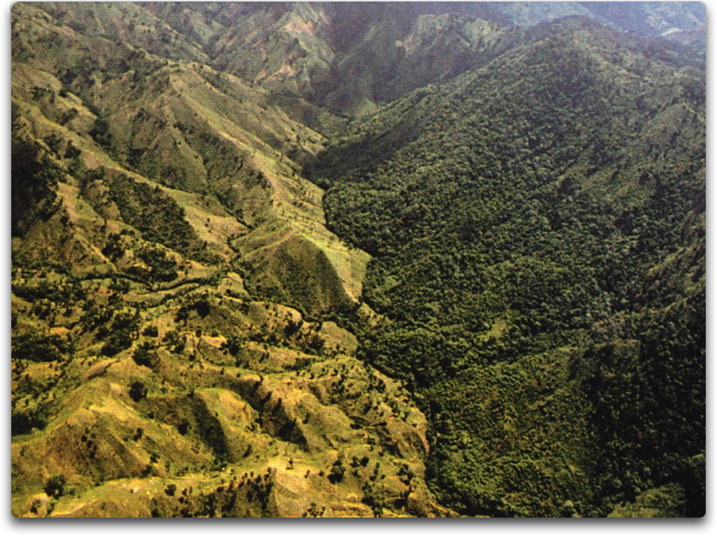
Haiti & Dominican Republic border – Effect of biomass burning vs. hydroelectric power. [1]
For those dealing with high infant and childhood mortality and struggling to feed their families, high birth rates in anticipation of those losses, and to provide farm labor for subsistence farming along with an inability and unwillingness to protect the environment are the natural consequences. Destitute people will do whatever is deemed necessary to survive, including harming the environment. You would, too.  Thus, progressive policies that keep indigenous peoples in their poverty and squalor for “cultural preservation” or to “save the planet” have the opposite effect of their stated ends of preserving the environment and improving human life.

Many international organizations propagate drastic population control measures under the radar while publicly advocating and providing (some) aid to the poor and endorsing environmental concerns. This includes governmental and nongovernmental agencies such as UNESCO (United Nations Educational, Scientific and Cultural Organization), IPCC (Intergovernmental Panel on Climate Change), UNFPA (United Nations Fund for Population Activities), The World Bank, USAID (United States Agency for International Development), the Club of Rome and its many spin-offs, Worldwide Fund for Nature, formerly called World Wildlife Fund (WWF), Green Peace, Population Council, International Planned Parenthood Federation, etc. Many of these organizations swap and share members and leaders, and cooperate to help each other toward common population control goals.

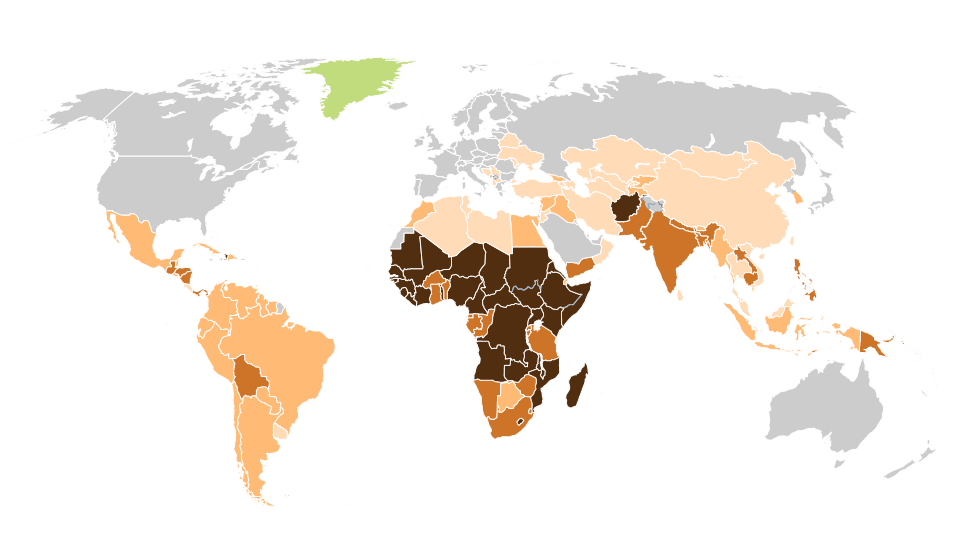
Worldwide Need for UNFPA services – UN Population Fund at http://www.unfpa.org/data

The Population Control agenda is rooted in the Eugenics movement that considered brown and black people to be inferior to the white race.  When that became unpopular, they hid this origin and emphasized the overpopulation myth and population control “for the good of the planet.”  Meanwhile they still maintaining an attitude that brown and black people are incapable of improvement and need to be taken care of and led.  This is a pernicious lie!  The present state of environmental and economic suppression and control is still a form of colonialism.  There is hope for Africa and other underdeveloped countries to become economically independent, but priorities and attitudes must change. 

The Club of Rome describes itself as “a group of world citizens, sharing a common concern for the future of humanity.” Its members includes current and former heads of state, UN bureaucrats, high-level politicians and government officials, diplomats, scientists, economists and business leaders from around the globe. Ostensively a charitable organization, it really advocates for control of population in underdeveloped countries as its primary goal and attempts to influence governments through its high-level members.  In 1972 it published a report entitled The Limits to Growth. In its own words, its mission is “to act as a global catalyst for change through the identification and analysis of the crucial problems facing humanity and the communication of such problems to the most important public and private decision makers as well as to the general public.”  As such, it has been one of the primary promoters of government and NGO policies limiting reproduction in poor countries by withholding aid and loans unless strict population control measures are in place.


“The common enemy of humanity is man. In searching for a new enemy to unite us, we came up with the idea that pollution, the threat of global warming, water shortages, famine and the like would fit the bill.  All these dangers are caused by human intervention, and it is only through changed attitudes and behaviour that they can be overcome. The real enemy then, is humanity itself.” (emphasis added)

— The Club of Rome


Although, as a part of the population control agenda, people in developed countries have been encouraged into voluntary sterilization, birth control and abortions, especially among the low income populations [2], the main focus is on targeting the poorest and most vulnerable people in underdeveloped countries.  Aid money to impoverished nations is often linked to a demand for population control quotas on mandatory (forced or coerced) sterilizations, implantation of IUDs and injected birth control chemicals for the poorest people.  This is the ugly secret hidden behind the humanitarian image projected for donations.  Their websites and other publications hide this agenda under euphemistic and colorful terms such as “family planning,” “research” and “improving the lives of the poor.”

In addition to enforced sterilization, abortion and birth control methods, other means of limiting both population and life span have been applied and are often tied to reception or denial of aid. See below for summary and more detail in Part 2 in next post; the list includes denial or failure to provide/ promote :

  • DDT for control of insect borne diseases. (80% of diseases are zoonotic.)
  • Power Plants except unreliable (aka green) wind and solar
  • Clean Water and Sanitation to reduce diseases
  • Transportation: roads and railroads for access to markets and clinics
  • Modern agriculture in favor of slash & burn subsistence (“sustainable”) agriculture
  • Access to EU markets is denied if genetically modified or high yield crops are grown
  • Industry investment outlook is poor due to high absenteeism from disease (see DDT)
  • Medicine: poor facilities and supplies, except for sterilization and birth control
  • Education: failure to train in hygiene, child care, agriculture and small business
  • HIV/AIDS diagnosis without confirmation as excuse for not treating TB, Malaria, etc.
  • Cultural Preservation in toto is encouraged, rather than economic development
  • Political Unrest is allowed to persist that discourages involvement by charities
  • Anti-Colonial Propaganda to scare people from accepting assistance/expertise.

Of these, disease control and electrical power are the most important because they can facilitate many of the other items on the list, and kick-start the economy.  A healthy workforce and power to run industry, business, medical facilities and transportation are key to economic development. Although many African countries need foreign aid and international loans now, the goal should be to help them raise their economy to the point where they are net contributors to the world economy or at least are self sufficient.

[1] Photo from WUWT, post reposted here:  How Environmental Organizations Are Destroying The Environment

[2] The population control agenda has been so successful in developed countries that for many countries birth rates are below replacement levels of 2+ children per couple.  This is becoming a problem for countries like Japan and Germany where employment quotas for even essential services are hard to fill and an aging population is dependent on the care of fewer offspring.  This will remain a problem until birth rates rise again to above replacement rates.

Political Corruption of Science Revealed in New Book

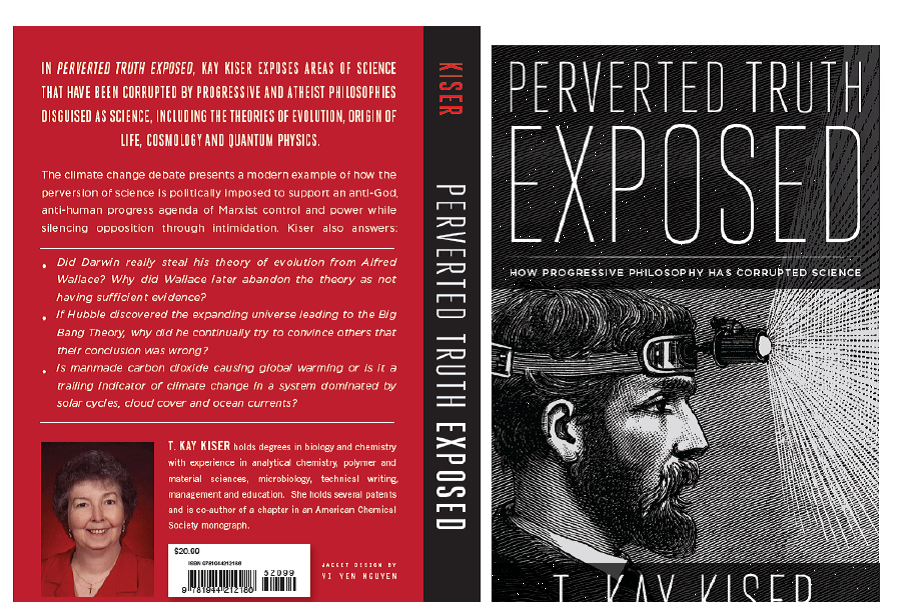
Perverted Truth Exposed cover image

In Perverted Truth Exposed, Kay Kiser exposes areas of science that have been corrupted by progressive and atheist philosophies disguised as science, including  evolution, origin of life, cosmology, quantum physics and climate change.

The climate change debate presents a modern example of how the perversion of science is politically imposed to support an anti-God, anti-human progress agenda of Marxist control and power while silencing opposition through intimidation. Kiser also answers:

  • Did Darwin really steal his theory of evolution from Alfred Wallace?
  • Why did Wallace later abandon the theory as not having sufficient evidence?
  • If Hubble discovered the expanding universe leading to the Big Bang Theory, why did he continually try to convince others that their conclusion was wrong?
  • Is man-made carbon dioxide causing global warming or is it a trailing indicator of climate change in a system dominated by solar cycles, cloud cover, and ocean currents?

Available online from the following outlets in print and as an eBook.

Political Corruption of Science Revealed in New Book

Perverted Truth Exposed cover image

In Perverted Truth Exposed, Kay Kiser exposes areas of science that have been corrupted by progressive and atheist philosophies disguised as science, including  evolution, origin of life, cosmology, quantum physics and climate change.

The climate change debate presents a modern example of how the perversion of science is politically imposed to support an anti-God, anti-human progress agenda of Marxist control and power while silencing opposition through intimidation. Kiser also answers:

  • Did Darwin really steal his theory of evolution from Alfred Wallace?
  • Why did Wallace later abandon the theory as not having sufficient evidence?
  • If Hubble discovered the expanding universe leading to the Big Bang Theory, why did he continually try to convince others that their conclusion was wrong?
  • Is man-made carbon dioxide causing global warming or is it a trailing indicator of climate change in a system dominated by solar cycles, cloud cover, and ocean currents?

Available online from the following outlets in print and as an eBook.

Genesis creation reconciled to an old earth

Creation Story reconciled to an old earth and scientific evidence:

The only disagreements between scientific truth and the Genesis account are based onmichelangelo-sistine-chapel-adam certain assumptions that everything, including the earth itself was created in the seven literal days described in the first chapter of Genesis. However, the first day of creation starts with Genesis 1:3.  According to Old Earth, Gap or Restoration creationists the entire history of the creation of the universe is contained in the Genesis 1:1. “In the beginning, God created the heaven and the earth.” This reconciles the Genesis account with the scientific record, whether the seven days after that are assumed to be 24 hour days or longer periods of time. The original word “Yom” means both a single day and a longer time, as in “…in the day that the Lord God made the earth and the heavens, …”  – Genesis 2:4


“In the beginning, God created the heaven and the earth.” –Genesis 1:1


In old earth creationism, this includes the whole history of the creation and formation of the universe, the galaxy, the solar system and the earth in the ages before the seven days’ account. It includes the entire fossil and stratified mineral record of the earth.  According to ruin and restoration creationism, as our story opens, the earth has been devastated, wiping out most or all life.


“And the earth was without form, and void; and darkness was upon the face of the deep. And the spirit of God moved upon the face of the waters.” – Genesis 1:2


This could describe a ruined planet, not necessarily a new planet without a history.   Picture, for example, a planet after an asteroid impact that raised so much dust, ash, water and smoke into the air that the light from the sun was blotted out.  We are not told most of the details, whether it is in this period or the seven days period.  Genesis describes what happened, not the details of how it happened.


“And He said unto them, I beheld Satan as lightening fall from heaven.” –Luke 10:18


In this quote from Jesus, it is possible that Satan, after his expulsion from heaven, kept distorting God’s creation causing God to erase it and start over; or maybe it was just a stage in the long process of preparing the earth for us with fertile soils, minerals and metals, an atmosphere with the right mix of gases, moisture and temperatures, and oceans with the right mineral content to sustain life.

God valued freedom of will so much that even Satan was allowed freedom of action, but could only distort, not create anything.  After his expulsion from heaven, Satan’s goal has been to spoil everything God does or loves.

What about the common belief that death only entered when man fell?


“But of the Tree of the Knowledge of good and evil, thou shalt not eat of it: for in the day that thou eatest thereof thou shalt surely die.” – Genesis 2:17


Since Adam and Eve did not physically die on the day they disobeyed, what that meant was obviously spiritual death, not physical death, which would come much later. Death was known to Adam or the words would have had no meaning to him.  However, after the fall, it was necessary to remove their access to the Tree of Life to keep Adam and Eve from living forever in their sinful state.  This is probably why Adam and several generations after him lived so long (until the effects of the Tree of Life had diminished).  Outside the garden, life was already a battle for existence, so that their expulsion from the garden thrust them into a daily struggle for food and other necessities.  God created plants as the ultimate source of food, but also created predators and other carnivores that ate herbivores, which used plants for food.

Let’s look at the seven days in this scenario of a ruined earth being reborn

Day 1 – LIGHT


“And God said, Let there be light: and there was light.” – Genesis 1: 3-5


This could have been that the dust settled enough to allow filtered light through the cloud cover distinguishing night from day.

Day 2 – ATMOSPHERE


“And God said, Let there be a firmament in the midst of the waters, and let it divide the waters from the waters.” – Genesis 1: 6-8


Clouds, rain and seas appear as the air clears further.

Day 3 – DRY LAND; PLANTS


“And God said let the waters under the heaven be gathered together into one place and let the dry land appear; and it was so.” Genesis 1:9-10


Seas, streams and dry ground appeared as the constant rain abated.


“And God said, Let the earth bring forth grass, the herb yielding seed, and the fruit tree yielding fruit after his kind, whose seed is in itself, upon the earth ; and it was so.” – Genesis 1:11-13.


As soon as dry ground appeared, plants began growing.

Day 4 – SUN, MOON AND STARS


“And God said, Let there be lights in the firmament of the heaven to divide the day from the night; and let them be for signs, and for seasons, and for days and years.” – Genesis 1:14-19


The only way this makes any sense, logically, is if the sun, moon and stars were already there, but had been hidden behind thick clouds.  Since plants grew and there was light before this, it doesn’t make any sense for the sun not to be created until the fourth day.  It can only mean that the air cleared enough so that the heavenly bodies became visible on earth at that time.

Day 5 – SEA CREATURES AND BIRDS


“And God said, let the waters bring forth abundantly the moving creature that hath life, and the fowl that may fly above the earth in the open firmament of heaven.” – Genesis 1: 20-22.


Animal life in the seas and the air appeared.

Day 6 – LAND ANIMALS AND HUMANS


“And God said, “Let the earth bring forth the living creature after his kind, cattle, and creeping thing, and beast of the earth after his kind: and it was so.” – Genesis 1:24-25.


Animals on the land appeared.


“And God said let us make man in our image, after our likeness; and let them have dominion over the fish of the sea, and over the fowl of the air, and over the cattle, and over all the earth, and over every creeping thing that creepeth upon the earth.” – Genesis 1: 25-27.


Men and women were created.


“And God blessed them and said unto them, Be fruitful and multiply, and replenish the earth, and subdue it: and have dominion over the fish of the sea, and over the fowl of the air, and over every living thing that moveth upon the earth.” – Genesis 1:28


God instructs men to multiply and replenish the earth.   This is a hint that the earth was formerly inhabited before the devastation occurred, whether by humans or only animals is not clear.  In some translations, the word is translated as “fill.” The other occurrences of the word in the Bible clearly mean to replenish or replace what was lost, not just to fill[1].   The verses that follow imply a vegetarian diet, but don’t explicitly say none of the animals would eat meat.

This description of the creation of humans has been debated by theologians for centuries. Is this separate from Adam and Eve? Were there other humans on the earth when Adam and Eve were placed in the Garden of Eden? Since Adam and Eve did not have children in the garden and were not told to replenish the earth, I would like to suggest that, after the six days of creation when man was first created, Satan again entered and distorted the creation, including man, into a wild, savage state. Whether Adam was included in this creation of man or was specially created later, is the only point debated. Most theologians today assume that this account is an alternate description of the creation of Adam as the first man.  However, in keeping with the text, it is possible that, after a day of rest, God created a special undefiled man (Adam) and placed him in a specially planted garden for his protection.


“And the Lord God formed man of the dust of the ground, and breathed into his nostrils the breath of life; and man became a living soul. And the Lord God planted a garden eastward in Eden; and there he put the man whom he had formed” – Genesis 2:7-8.


Note that Adam was made before he was placed in the garden. This implies that Adam experienced the savage, spoiled world before entering the garden.  The verses just before this say that there was no one to till the soil.  So if other men existed, they must have been hunter-gatherers or shepherds, not farmers. We are also not told how long Adam and Eve lived in the Garden before they aspired to be like God and fell from grace through willful disobedience.

Conclusions:  As you can see, it is fairly easy to reconcile the Genesis account of creation with known scientific facts.  God invented science, and He created an ordered and intelligible universe that man can study to learn its secrets.  Science is based on the assumption that the universal laws are the same everywhere and at any time in the past, present or future.  God, having created a logical world, doesn’t have to break these laws to accomplish His ends. God can use them to create, destroy or modify anything for His purposes.  Miracles, while outside our understanding, don’t necessarily have to break God’s laws either, only use them in unique ways we don’t understand.

To insist that the seven days described in Genesis 1:3-2:4 describe creation from nothing (ex nihilo) in contradiction to scientific facts, is at best naïve or traditional and at worst delusional. God didn’t ask us to suspend reason to believe in Him.  Nor is He a deceiver.  Young Earth beliefs are harmful because they ask Christians to reject science, make it difficult for thinking people to embrace Christianity and give our atheist, materialist enemies ammunition to discredit ALL of our beliefs, even a belief in the existence of God or any spiritual realm.

That is why our enemies would prefer us to reject science and insist on a seven literal days of creation from nothing, which was a straw man argument when presented by Darwin et al.  When we embrace science and reconcile it to the Bible, most of their arguments disappear.  In an effort to discredit the political arguments for Darwinian Evolution,  many Christians have fallen into the trap of embracing the straw man presented by our enemies instead of reasonably trying to reconcile science and the Bible.

[1] Isaiah 2:6; Jeremiah 31:25; Ezekiel 26:2
Darwin, Pangenesis & Acquired Characteristics

Darwin’s Claims

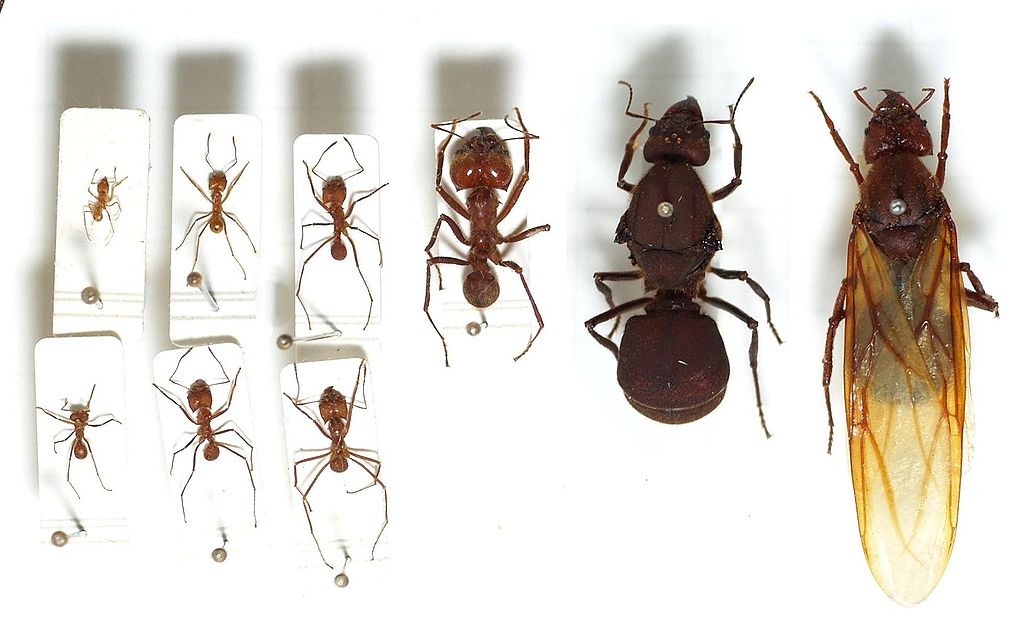
Worker ants of various castes and two large queens
Leaf Cutter Ants – Worker ants of various castes and two large queens

Darwin thought cells were simple bags of gel.  He knew nothing of DNA or any other cellular structures.  He believed that inheritance was through “Gemmules” that each cell shed and that traveled to the gametes (sperm and egg).  Since each cell “voted” it was called pangenesis. He believed that the life experiences of the parents were passed on to their offspring in this way. He believed evolutionary incremental changes occurred by passing these life experiences on to subsequent generations.

Darwin’s Dilemma

Colony insects were a problem for Darwin.  If life experiences were passed on, how does a queen ant, who has never experienced foraging for food, pass on the behavior of the worker ants who hunt for food and bring it back to the colony?

His theory of evolution taught that use and disuse along with adaptation to environmental changes experienced by parents were passed on and were responsible for the changes seen between species by gradual changes over time, coupled with natural selection aka survival of the fittest.  How is this any different from J-B Lamarck’s theory of acquired characteristics, which was discredited as having no foundation?  Did acceptance for Darwin’s theory and not Lamarck’s have more to do with politics and marketing than science?

Modern Evolutionary Biologists’ Dilemma

Obviously, modern evolutionary biologists found pangenesis and inheritance of acquired traits embarrassing, so, in the early 20th century they changed the theory to include genetics with an emphasis on natural selection and called it Neo-Darwinism or the Modern Synthesis. Later, they included DNA and an unsupported assumption that mutations over time gradually built up structures well before they were functional.  Although Darwin is still revered as if he had everything right, this form of Evolutionary theory is grossly different from the original Darwinian theory except for the assumption of natural selection and unlimited gradual changes producing new species over time.


The Truth behind the Science

Order new book now for Christmas

 In Perverted Truth Exposed, T. Kay Kiser uses facts and logic to expose areas of science that have been corrupted by progressive and atheist philosophies disguised as science, including the theories of evolution, origin of life, cosmology, and quantum physics. The climate change debate presents a modern example of how the perversion of science is politically imposed to support an anti-God, anti-human progress agenda of Marxist control and power while silencing opposition through intimidation.

Written in a conversational style for everyone, it is available online at www.superstore.wnd.com, (World Net Daily, publisher), Amazon.com, BarnesandNoble.com, BooksAMillion.com, in print or e-book as Kindle and Nook.  Signed copies are available from the author for $23.99 by writing to her at PO Box 6052, Kingsport, TN 37663. She can be contacted at kaykiser70@gmail.com. To see previews from the book & related posts go to her website at www.realscienceblog.com.

Zika and Microcephaly scam used to push Brazil abortion law change

Is changing Brazil’s abortion laws the real purpose for the claims of a Zika and microcephaly link?

See previous post The Truth About Zika Virus and Microcephaly for summary of the analysis showing failure to establish a cause and effect link between Zika & Microcephaly, and a broadening of the definition of Microcephaly.  WHO, other agencies and activists have ignored the original Latin American Collaborative Study of Congenital Malformations (ECLAMC) analysis invalidating the original research. See English translation at http://www.nature.com/polopoly_fs/7.33594!/file/NS-724-2015_ECLAMC-ZIKA%20VIRUS_V-FINAL_012516.pdf

Brazil, a Catholic nation, has allowed abortion only to save the life of the mother or rape, but recently allowed it for anencephaly (missing brain birth defect).  Was this a first step that prompted or preceded the bogus study and the alarming press releases?  The UN has gotten involved and is urging changing the abortion laws across Latin and South America.  Most of these countries are Catholic, so it could be considered an attack on the Church’s strict abortion stand.

See articles from the Guardian below about the campaign to change Brazil’s abortion laws and my notes in blue.


Zika emergency pushes women to challenge Brazil’s abortion law                   Sarah Boseley, The Guardian, Tuesday 19 July 2016

Women’s groups are set to challenge the law in the hope of making termination possible for women at risk of delivering a baby born with Zika-related defects. Women’s rights and gender equality supported by Women’s groups in Brazil are set to challenge the abortion laws this summer in the hope of making a safe and legal termination possible for women at risk of delivering a baby born with defects after exposure to the Zika virus.

“Women should be able to decide and have the means to terminate pregnancies because they are facing serious risks of having babies with microcephaly and also suffering huge mental distress during their pregnancies. They should not be forced to carry on their pregnancies under the circumstances,” said Beatriz Galli, a lawyer on bioethics and human rights who works for Ipas, a group dedicated to ending unsafe abortion.  (IPAS is an international abortion advocacy NGO.)

Lawyers for the organisations will present a legal challenge at the supreme court in the first week of August, when the court sits again after the winter break. They are coordinated by Anis Instituto de Bioética, which campaigns for women’s equality and reproductive rights. (founder of Anis worked with the group cited below)

The groups have obtained an opinion from lawyers at Yale University in the US, who argue that the Brazilian government’s policies on Zika and microcephaly have breached women’s human rights. The government “has failed to enact adequate measures to ensure that all women have access to comprehensive reproductive health information and options, as required by Brazil’s public health and human rights commitments”, says a review from the Global Health Justice Partnership, which is a joint initiative of the Yale Law School and the Yale School of Public Health. (“Health Justice” gives away the leftist, extreme position on “sexuality, gender and reproductive issues” of this group)

It is also critical of Brazil’s handling of the epidemic. Its “failure to ensure adequate infrastructure, public health resources and mosquito control programmes in certain areas has greatly exacerbated the Zika and Zika-related microcephaly epidemics, particularly among poor women of racial minorities”, the review says.

As of 7 July, there have been1,638 cases of reported microcephaly – an abnormally small head – and other brain defects in Brazil, according to the World Health Organisation. (almost all of these cases were in a small area in the northeast, but the Zika virus epidemic was country wide – a smoking gun against cause and effect) Women who do not want to continue their pregnancy because they have been infected, even if they have had a scan confirming brain defects in the baby, are unable to choose a legal termination. There is evidence of a rise in early abortions using pills obtainable online and fears that unsafe, illegal abortions will be rising too.

Galli said there were already about 200,000 hospitalisations of women who have undergone a clandestine termination every year, and a suspected 1 million illegal abortions before the epidemic. “We know that there are clinics operating in the very low-income poor settings in Rio and women are paying a lot of money and are risking their lives,” she said. (This appears to be an estimate based on a small number  of hospitals extrapolated to the entire country and scaled up by some arbitrary factor. From various sources the estimates vary widely.)

Campaigners who want to change the law are encouraged by a ruling the supreme court handed down in the case of babies with anencephaly in 2012. This is a condition where the foetus develops without a brain, making it impossible for the baby to be born alive. The case took eight years, but eventually the court voted eight to two in favour of making abortion legal in those circumstances. (Is this the precedent prompting the Zika-microcephaly scam?)

Before the ruling, there were two exceptions to the ban on termination in Brazil – when the pregnant woman’s life was at risk and when she had been raped. Anencephaly became the third, but campaigners acknowledge that it is not a simple precedent.

Debora Diniz, co-founder of Anis and professor of law at the University of Brasilia, said she was confident the court would understand that the situation is an emergency. They were not asking for the legalisation of abortion, she said, but “to have the right to abortion in the case of Zika infection during the epidemic”.

“It is not an abortion in the case of foetal malformation. It is the right to abortion in case of being infected by the Zika virus, suffering mental stress because you have this horrible situation and so few answers on how to plan and have a safe pregnancy,” she said. (emphasis added)

Campaigners have five demands: good information for women in pregnancy, improvements in access to family planning, giving women mosquito repellents, better social policies to help children born with birth defects because of Zika and financial support for parents.

Diniz points out that the worst hit are the poor. “The feeling in my well-to-do neighbourhood [in Brasilia] is that everything is fine,” she said. People have never met a woman with Zika or seen a baby with neurological defects. But when she goes to clinics in hard-hit areas such as Campina Grande in the north-east, everything revolves around Zika. (Zika is a mild disease with low fever and rash, and is often not even recognized. Zika has been seen in other countries for 40+ years with no birth defects.  Note the admission of limited area “affected.”)

“We have two countries in one country,” she said. “This is an emergency of unknown women. The trouble is they were unknown before the epidemic. I’m not being an opportunist. We have an epidemic and the epidemic shows the face of Brazilian inequality.”

https://www.theguardian.com/global-development/2016/jul/19/zika-emergency-pushes-women-to-challenge-brazil-abortion-law


UN tells Latin American countries hit by Zika to allow women access to abortion

Jonathan Watts in Rio de Janeiro, The Guardian, Friday 5 February 2016 (Note that the article above is 6 months after this one, but is still touting the same line)

Strict curbs on contraception and abortion are common in hard-hit nations but UN says women should have choice about degree of risk they’re willing to take

Women protest anti-abortion laws in El Salvador, which has one of the highest rates of Zika infection – and where even miscarriages can be treated as murder.

The United Nations high commissioner for human rights has called on Latin American countries hit by the Zika epidemic to allow women access to abortion and birth control, reigniting debate about reproductive rights in the predominantly Catholic region.

The rapidly spreading virus is suspected to have caused an uptick in foetal brain defects. Although this is not yet scientifically proven, many campaigners say women should have a choice about the degree of risk they are willing to take. (emphasis added. Note that this author at least admits the lack of scientific proof.)

This is currently very limited in Latin America due to strict controls on birth control and abortion, which range widely from country to country. On one extreme is El Salvador – which has one of the highest rates of Zika infection in the continent – where even miscarriages can be treated as murder.  On the other is Uruguay, where pregnancies can be terminated in any circumstances up to 12 weeks.

The UN commissioner is asking governments in Zika-affected areas to repeal policies that break with international standards on access to sexual and reproductive health services, including abortion.

“We are asking those governments to go back and change those laws,” said spokeswoman Cecile Pouilly on Friday. “Because how can they ask those women to become pregnant but also not offer them first information that is available, but the possibility to stop their pregnancies if they wish?”

The commissioner’s initiative was welcomed by the US-based NGO the Center for Reproductive Rights.

“Women cannot solely bear the burden of curbing the Zika virus,” said Charles Abbott, the group’s legal adviser for Latin America & the Caribbean. “We agree with the OHCHR that these governments must fulfil their international human rights obligations and cannot shirk that responsibility or pass it off to women. This includes adopting laws and policies to respect and protect women’s reproductive rights.”

Health authorities in at least five affected countries have advised women to avoid getting pregnant, with Colombia telling called on women to delay pregnancy for six to eight months, and El Salvador, suggesting women avoid getting pregnant for at least two years. (emphasis added)

Reproductive rights advocates say the recommendations to avoid pregnancy are irresponsible and do not take into account that most pregnancies in the region are unplanned.

This is not the only area of contention sparked by the rapid spread of the virus. Scientists in Brazil are also in disagreement about the significance of new studies – revealed on Friday – that show Zika is present in saliva, which some say should prompt warnings against kissing. (emphasis added)

The Fiocruz research institute in Rio de Janeiro said on Friday it had identified live samples of Zika in saliva and urine, which merited further research into whether these two fluids could be a source of contagion.

Until the outcome is known, Paulo Gadelha, president of the institute, suggested pregnant women should think twice about kissing anyone other than their partners or sharing drinking glasses or cutlery with people who might be infected.

Although he said this was “not a generalized public health measure”, the proposed precaution has been met with a mixture of fear and derision. Other scientists argue that it is extremely unlikely for the disease to spread in this way.

“The warning is crazy and unnecessary,” said Rubio Soares Campos, who co-identified the first case of Zika in Brazil.  “Just because the virus is present in saliva does not mean it can be transmitted that way.”

He argued that it was more likely to behave like dengue, another mosquito-borne disease that is found in human bodily fluids but cannot be spread that way.

But the latest news has increased the unease of the Brazilian public, who have watched with alarm as Zika has come from nowhere to infect an estimated 1.5 million people with an apparently growing range of suspected – but not yet scientifically proven – side-effects, including immune system disorders and brain defects in newborns. (emphasis added)

“It’s starting to scare the hell out of me,” said one Rio resident, Maria Teixeira. “At first everybody thought is was just a mild fever. Then, we were told it could develop into Guillain-Barré syndrome, and then that it was associated with horrible side-effects such as deformed babies. What’s next?”

https://www.theguardian.com/world/2016/feb/05/zika-virus-epidemic-abortion-birth-control-access-latin-america-united-nations

AGW Claims vs. Truth – Claim 10: World governments must take drastic action now to prevent catastrophic consequences.

Claim 10:  World governments must take drastic action now to prevent further warming and catastrophic consequences.

Truth:  The jury is still out as to whether warming is a good thing or a bad thing. More people die from cold weather-related events than from heat. Warming periods in the past such as the Medieval Warm Period were times of increased prosperity and peace. There is no indication that any sort of a tipping point is approaching that would cause the predicted catastrophic consequences. There has been no warming since 1998 and a possible cooling since 2005.

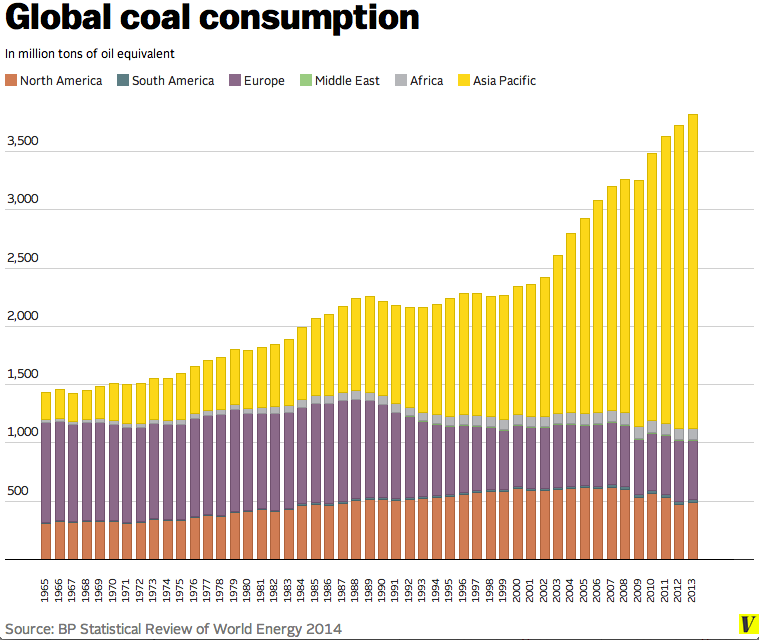
         It is not even certain that government action could have any effect on warming. If carbon dioxide is not the main cause of warming, then regulating it might be a fool’s errand. (See Claim 2.) Developed nations might curtail use of fossil fuels, but treaties proposed like Kyoto and Rio exempt developing countries. This includes China, India, and Mexico, among the largest and most industrialized developing countries in the world. Their output of carbon dioxide and pollutants from power plants and industry more than overpowers any gains from developed countries’ gains in efficiency or a change to “renewable” and “sustainable” solar and wind energy.

       Additionally, the money collected by the UN through these treaties is designated only for such unreliable energy development, not for improving the lives of impoverished peoples.  Improving the lives of these people would go much farther to protect the environment than any of these things. (Meanwhile, the development of over 200 hydroelectric dams in Africa have been prevented by activists within and outside the UN.)  People who have to worry about eating and feeding their families have no incentive to care for the environment.  Higher standards of living lead to more caring for the environment.

Global coal consumption